
TL;DR

Get kitchen gear delivered free with Prime
- Fast, free delivery on millions of items
- Prime Video, Amazon Music and more included
- Member-only deals all year
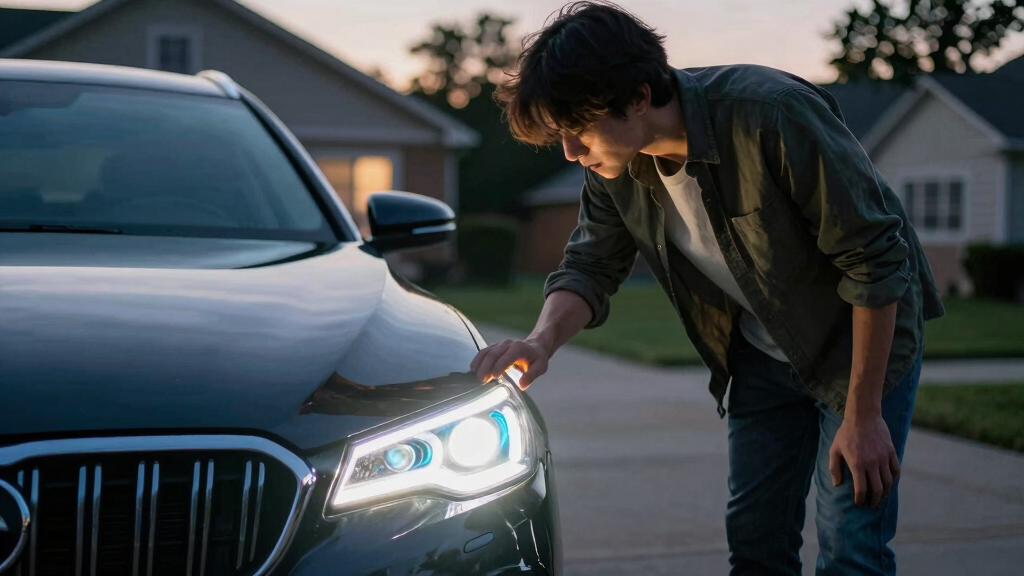
Recent advances have led to brighter LED headlights on vehicles, raising concerns about glare and safety. Authorities and experts are examining whether these lights are beneficial or pose risks for drivers and pedestrians.
Automakers have equipped new vehicles with increasingly bright LED headlights, prompting safety concerns about glare and visibility for other drivers and pedestrians. Authorities and safety experts are investigating whether these lights enhance safety or create new risks on the roads.
The shift toward brighter LED headlights has been driven by technological advancements and consumer demand for better visibility. Current models often feature headlights that exceed the brightness levels of previous halogen or lower-intensity LED lights, with some reaching up to 10,000 lumens, according to industry sources.
While proponents argue that brighter headlights improve driver visibility, especially in adverse weather conditions, critics warn that excessive brightness can cause glare, impairing the vision of oncoming drivers and pedestrians. Several studies, including one by the National Highway Traffic Safety Administration (NHTSA), are analyzing the impact of these lights on road safety.
Regulatory bodies in various countries are reviewing standards for headlight brightness. The European Union, for example, has recently proposed limits on luminous intensity to mitigate glare issues, but implementation varies across regions. Automakers claim that their lighting systems include adaptive features designed to reduce glare, such as automatic beam leveling and adaptive driving beams, but the effectiveness of these measures is still under review.
Potential Impact of Bright LED Headlights on Road Safety
The debate over LED headlight brightness directly affects driver safety, road regulations, and vehicle manufacturing standards. If headlights are too bright, they could increase the risk of accidents caused by glare, especially at night or in poor weather conditions. Conversely, if properly regulated, brighter lights could enhance overall visibility and reduce accidents. This issue is especially relevant as vehicle lighting technology continues to evolve rapidly, influencing driver behavior and safety standards worldwide.
As an affiliate, we earn on qualifying purchases.
Rise of Bright LED Headlights and Regulatory Responses
Over the past decade, automotive lighting technology has shifted from halogen bulbs to LED and laser-based systems, offering greater brightness and energy efficiency. Manufacturers have pushed the limits of luminous intensity to improve nighttime visibility, often surpassing traditional safety thresholds.
In response, regulatory agencies in Europe, North America, and Asia have begun reviewing headlight standards. The EU’s recent proposal to cap luminous intensity at 4,000 lumens for certain headlight types reflects growing concern about glare. Meanwhile, some automakers have integrated adaptive lighting systems to mitigate potential glare issues, though their effectiveness varies.
Public awareness about headlight brightness and its effects on safety has increased, fueled by social media and safety advocacy groups raising concerns about the potential hazards of overly bright headlights, especially in urban and congested areas.
“While brighter headlights can improve visibility, excessive brightness without proper regulation can cause dangerous glare for oncoming drivers.”
— Dr. Laura Chen, automotive safety researcher
adaptive headlight system for cars
As an affiliate, we earn on qualifying purchases.
As an affiliate, we earn on qualifying purchases.
Unclear Effects of Bright Headlights on Overall Road Safety
It remains unclear how widespread the safety risks from excessively bright headlights are, as comprehensive data is still being collected. While some studies suggest increased glare incidents, definitive links to accident rates are not yet established. Additionally, the effectiveness of adaptive lighting systems in reducing glare in real-world conditions is still under evaluation.
glare reduction headlight covers
As an affiliate, we earn on qualifying purchases.
As an affiliate, we earn on qualifying purchases.
Ongoing Regulatory Reviews and Future Safety Studies
Regulatory agencies are expected to finalize new standards limiting headlight brightness within the next year. Meanwhile, ongoing studies aim to quantify the impact of high-brightness LED headlights on driver safety and accident rates. Automakers are also expected to enhance adaptive lighting technologies to address glare concerns. Public awareness campaigns may increase as safety organizations advocate for balanced lighting regulations.
As an affiliate, we earn on qualifying purchases.
Key Questions
Are all LED headlights brighter than traditional headlights?
No, but many modern LED headlights are significantly brighter than older halogen systems, often exceeding 4,000 lumens, which is the current typical limit in some regions.
Can bright headlights cause accidents?
Excessively bright headlights can cause glare, impairing the vision of oncoming drivers and potentially increasing the risk of accidents, especially at night or in foggy conditions.
Are there regulations controlling headlight brightness?
Yes, some regions have proposed or implemented limits on headlight brightness, such as the EU’s proposed cap of 4,000 lumens, but standards vary globally and are still being reviewed.
What measures are automakers taking to reduce glare?
Many are incorporating adaptive lighting systems, like automatic beam leveling and adaptive driving beams, designed to minimize glare for other road users.
Will future regulations restrict LED headlight brightness?
Regulatory agencies are actively reviewing and likely to implement new standards within the next year to balance visibility benefits with safety concerns related to glare.
Source: rss
Halloween Picks
halloween
As an affiliate, we earn on qualifying purchases.