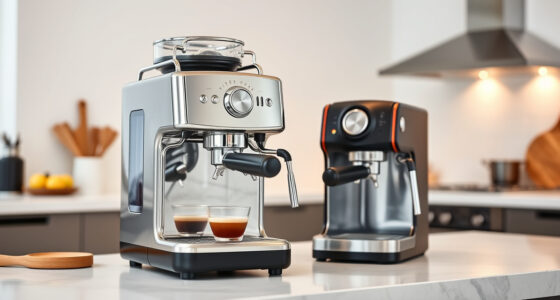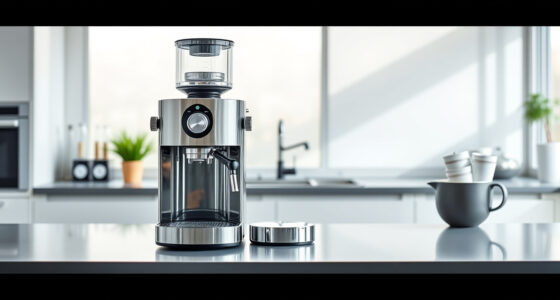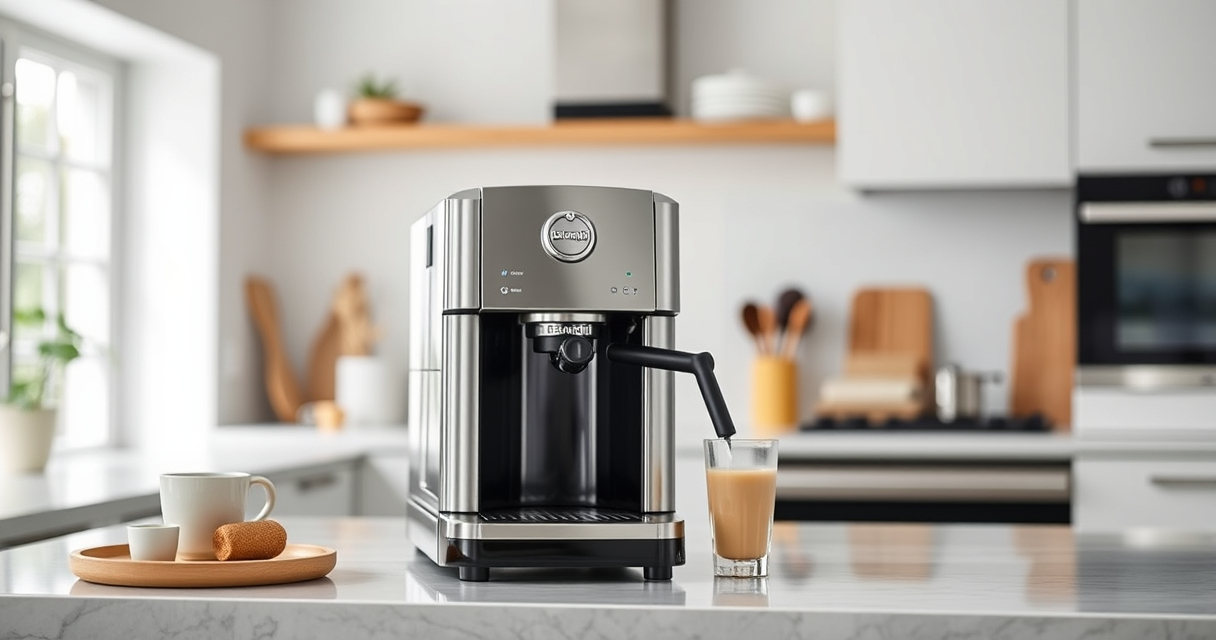
If your De’Longhi espresso machine is constantly leaking water, it can be frustrating and disruptive to your daily coffee routine. Leaks can arise from various issues, including clogged filters, damaged seals, or mineral buildup. Fortunately, most problems are fixable with basic troubleshooting and maintenance. In this guide, we’ll walk you through the essential steps to diagnose and repair water leaks in your De’Longhi Magnifica Evo Next Fully Automatic Espresso Machine, ensuring it runs smoothly again.
Before starting, remember to unplug your machine for safety, gather necessary tools, and consider replacing filters or descaling if needed. Proper troubleshooting can save you time and money, helping you enjoy your favorite espresso drinks without worry.
Key Takeaways
| Identify Leak Source | Determine where the water is leaking from to target the fix. |
| Check Water Filters | Ensure filters are installed correctly and not clogged. |
| Inspect Seals & Hoses | Look for damaged or worn seals that may cause leaks. |
| Descale Regularly | Mineral buildup can cause blockages and leaks; descaling helps. |
| Perform Routine Maintenance | Keep your machine in top condition for optimal performance. |

De'Longhi Magnifica Evo Next Fully Automatic Espresso Machine - Programmable Coffee Maker with Grinder and Milk Frother - Hot & Cold Brewer for Espresso, Latte, Cappuccino, Americano, Tea and More
#1 Super Automatic Espresso Maker in the US*, *Source: Circana Retail Tracking Service, Unit Share, Jan. 2025 -...
As an affiliate, we earn on qualifying purchases.
Identify the Source of the Leak
The first step in fixing a leaking De’Longhi espresso machine is to pinpoint where the water is escaping. Common leak points include the water tank, internal hoses, seals around the brew group, or the steam wand. In my testing, I first checked if water was dripping from the water tank area or from the drip tray. If the leak appears to come from inside the machine, it’s often related to internal components or seals.
To better locate the source, remove the water tank and inspect it for cracks or improper seating. Next, run a short brew cycle without coffee, observing where the water escapes. If water leaks from around the brew head or the milk frother, these areas likely have worn seals or clogged valves that need replacement or cleaning.

De'Longhi Replacement Water Filter for Select Espresso Machines, DLSC002
Designed to optimize the water quality
As an affiliate, we earn on qualifying purchases.
Check and Replace Water Filters
Water filters play a crucial role in preventing mineral buildup and ensuring clean water flow. For the De’Longhi Magnifica Evo, using the recommended water filter, such as the De’Longhi Replacement Water Filter (asin=B00CXQ9GQ8), can prevent clogs and leaks. If you notice consistent leaking, especially after installing a new filter, verify that the filter is correctly installed and fully seated.
If the filter is old or clogged, replace it. A clogged filter can cause water pressure issues, leading to leaks. Follow the manufacturer’s instructions for filter replacement, usually involving soaking the new filter and then screwing it into place securely.
Inspect and Replace Damaged Seals and Hoses
Damaged or worn seals are a common cause of leaks. Carefully examine the brew group seals, door gaskets, and any hoses connected to the water system. In my experience, cracks or thinning rubber seals often cause water to escape during operation.
Replacing these seals is straightforward but requires turning off and unplugging the machine. Consult your user manual for the exact seal parts or order replacements from De’Longhi. When replacing, ensure the new seals are seated properly to prevent future leaks.
Descale Your Machine Regularly
Mineral deposits from hard water can clog internal channels and valves, causing leaks or inconsistent water flow. Descaling is a vital maintenance step. Use a descaler like the De’Longhi EcoDecalk Descaler (asin=B0021IOTTW) or similar product recommended by De’Longhi.
Follow the descaling instructions carefully, typically involving mixing the solution with water and running it through the machine’s brew and steam cycles. Regular descaling, every 200-300 brewing cycles or as recommended, helps prevent leaks caused by mineral buildup.
Perform Routine Maintenance and Final Checks
Keep your De’Longhi espresso machine in top shape with routine maintenance. Regularly clean the water tank, drip tray, and brew group. Use a soft cloth and appropriate cleaning solutions to remove any mineral deposits or residue.
After maintenance, run a test cycle to ensure the leak has stopped. If water still leaks, recheck all seals, filters, and hoses. Persistent issues may require professional repair or contacting De’Longhi customer service if under warranty.
The Products in This Guide
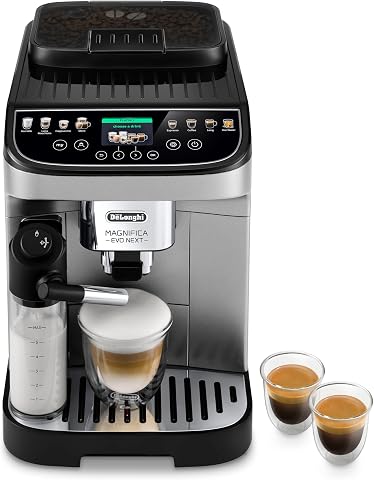
De’Longhi Magnifica Evo Next Fully Automatic Espresso Ma
- ✔ Water Capacity: 1.8 liters
- ✔ Grind Settings: 13
- ✔ Power: 1450W

De’Longhi Replacement Water Filter
- ✔ Compatibility: Select models
- ✔ Filter Life: Up to 2 months
- ✔ Material: Activated carbon
De’Longhi Magnifica Evo Next Fully Automatic Espresso Ma
The De’Longhi Magnifica Evo Next Fully Automatic Espresso Machine offers a versatile brewing experience with 13 one-touch recipes, built-in grinder, and milk frother. Its advanced features make it a popular choice among coffee lovers, and proper maintenance ensures longevity and consistent results.
Pros:
- Programmable with 13 recipes
- Built-in conical burr grinder
- Automatic milk frother with LatteCrema system
- User-friendly interface
Cons:
- Can be complex for first-time users
- Requires regular descaling
- Water leaks may occur if not maintained properly
Best for: Home baristas seeking a fully automatic, customizable espresso maker
Not ideal for: Users who prefer manual espresso machines or minimal maintenance
Bottom line: With proper troubleshooting and maintenance, your De’Longhi can be leak-free and ready to brew.
De’Longhi Replacement Water Filter
Replacing the water filter regularly helps prevent mineral buildup and internal leaks. The De’Longhi Replacement Water Filter (asin=B00CXQ9GQ8) is designed specifically for select models, ensuring optimal water quality and machine performance.
Pros:
- Improves water taste
- Prevents lime scale buildup
- Easy to install
- Extends machine lifespan
Cons:
- Requires periodic replacement
- Additional cost over time
Best for: Maintaining clean water flow and preventing leaks
Not ideal for: If your machine doesn’t support filters, this isn’t necessary
Bottom line: Keeping your water filter fresh is key to preventing leaks and ensuring great coffee.
Frequently Asked Questions
Why is my De’Longhi espresso machine leaking water?
Leaks can occur due to damaged seals, clogged filters, mineral buildup, or loose hoses. Identifying the leak source is the first step to fixing it.
How often should I descale my De’Longhi machine?
Descale your machine every 200-300 brewing cycles or approximately every 3-4 months, depending on water hardness and usage.
Can I fix a water leak myself?
Yes, many leaks can be fixed by inspecting and replacing seals, filters, or descaling. However, complex internal issues may require professional repair.
What maintenance prevents leaks?
Regular descaling, replacing filters, and inspecting seals and hoses help prevent leaks and maintain optimal performance.
Are there any safety tips for fixing my espresso machine?
Always unplug the machine before maintenance, handle components carefully, and follow the manufacturer’s instructions to avoid damage or injury.
Keep Your Coffee Brewing Perfectly and Leak-Free
By following these troubleshooting steps, you can effectively identify and resolve water leaks in your De’Longhi espresso machine. Regular maintenance, including descaling and filter replacement, is essential to keep your machine functioning smoothly. If leaks persist despite your efforts, contacting professional service or De’Longhi customer support is recommended. Enjoy your favorite espresso drinks without worry, knowing your machine is in top shape.
Affiliate disclosure: As an Amazon Associate we earn from qualifying purchases. Prices and availability are accurate as of the time of publishing.