To reduce sodium in pressure-cooked meals, start by using salt substitutes like potassium chloride, and add herbs, spices, or acids such as lemon juice to boost flavor naturally. Season dishes after cooking rather than during, controlling salt levels better. Choose fresh ingredients over canned or pre-packaged foods, and check labels for hidden salt. If you explore further, you’ll find more tips to create flavorful, low-sodium dishes without sacrificing taste.
Key Takeaways
- Use salt substitutes like potassium chloride to mimic salt flavor without increasing sodium intake.
- Incorporate herbs, spices, garlic, lemon juice, and umami-rich ingredients to enhance flavor naturally.
- Add salt or seasonings after pressure cooking to better control sodium levels and flavor balance.
- Choose fresh or frozen ingredients over canned or pre-packaged foods to reduce hidden salt.
- Gradually adjust seasoning and taste during cooking to maintain flavor while minimizing sodium.
Have you ever wondered how much sodium is in your daily meals and what it means for your health? Sodium intake is a significant factor in maintaining overall wellness, especially when you rely on pressure cooking to prepare your meals. While pressure cookers make meal prep faster and more convenient, they can also make it easy to add more salt than you intend. That’s why exploring ways to reduce sodium in pressure-cooked meals is essential for better health and flavor balance.
One effective method is to incorporate salt substitutes into your cooking. These alternatives often contain potassium chloride, which mimics the salty taste without the harmful effects of excess sodium. Using salt substitutes allows you to season your dishes comfortably, reducing your sodium intake without sacrificing flavor. Just keep in mind that some salt substitutes may affect certain health conditions or medications, so consult with your healthcare provider if you’re unsure. When adding salt substitutes, start with small amounts and taste as you go, adjusting gradually to find that savory balance.
Incorporate salt substitutes like potassium chloride to reduce sodium without sacrificing flavor.
Flavor enhancement plays a vital role in reducing sodium. Instead of relying solely on salt, you can boost flavor through herbs, spices, and aromatics. For example, garlic, onion, lemon juice, and fresh herbs like basil or cilantro can brighten your dishes and make them more satisfying. These ingredients work well in pressure cooking, infusing your meals with rich flavors that diminish the need for extra salt. Additionally, using umami-rich ingredients such as mushrooms or tomato paste can deepen flavor complexity, making your pressure-cooked meals taste hearty and satisfying without added sodium.
Another tip is to add flavor after pressure cooking rather than during. This way, you can control the salt level more precisely. For instance, cook your vegetables or meats with minimal salt, and then finish with a flavorful splash of vinegar or citrus, which enhances taste without adding sodium. When preparing stews or soups in the pressure cooker, consider adding seasonings at the end to prevent over-salting during the cooking process. Being mindful of air purifier maintenance and keeping your kitchen environment clean can also support overall health and reduce airborne allergens that might otherwise necessitate additional seasoning adjustments.
Lastly, be mindful of the ingredients you choose. Canned or pre-packaged foods often contain hidden salt, so opting for fresh or frozen options can help you lower overall sodium levels. Reading labels carefully ensures you’re aware of sodium content and can make smarter choices. By combining these strategies—using salt substitutes, enhancing flavor with herbs and spices, adjusting seasonings post-cooking, and selecting fresh ingredients—you can enjoy delicious pressure-cooked meals that support your health goals. Reducing sodium doesn’t mean sacrificing flavor; it’s about being creative and intentional with your cooking techniques.
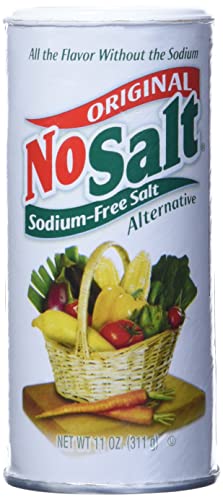
NoSalt Original Sodium-Free Salt Alternative, 11 oz
Convenient substitute for table salt
As an affiliate, we earn on qualifying purchases.
As an affiliate, we earn on qualifying purchases.
Frequently Asked Questions
Can I Use Salt Substitutes in Pressure-Cooked Recipes?
Yes, you can use salt substitutes in pressure-cooked recipes. They help reduce sodium intake while still offering flavor enhancement. Just keep in mind that some salt substitutes, like potassium chloride, might have a slightly bitter taste or interact with certain health conditions. Start with small amounts to see how they affect your dish and adjust accordingly. This way, you enjoy flavorful meals without compromising your dietary goals.
Does Reducing Sodium Affect the Flavor of Pressure-Cooked Meals?
Reducing sodium is like tuning a musical instrument; it might alter the flavor harmony, but you can still achieve a delicious melody. Lower sodium levels may mute the salty perception, but flavor enhancement through herbs, spices, and umami-rich ingredients keeps your pressure-cooked meals vibrant. With a little creativity, you’ll find the perfect balance, ensuring each bite remains satisfying without overwhelming saltiness.
Are There Specific Spices That Help Enhance Flavor Without Salt?
You can enhance flavor without salt by using specific spices, herbs, and umami boosters. Try herb combinations like rosemary, thyme, and basil to add depth. Umami boosters such as mushroom powder, soy sauce, or miso paste also enrich the taste without extra sodium. These ingredients work well in pressure-cooked meals, giving you a flavorful dish while keeping sodium levels in check.
How Does Pressure Cooking Influence Nutrient Retention When Reducing Sodium?
Think of pressure cooking as a treasure chest that locks in nutrient preservation, much like safeguarding gems from the elements. This cooking method effects nutrient retention by reducing cooking time and limiting exposure to oxygen and heat, which helps conserve vitamins and minerals. When reducing sodium, pressure cooking ensures your meals stay flavorful and nutrient-rich, making it easier to enjoy healthy, well-balanced dishes without sacrificing essential nutrients.
What Are the Best Techniques to Gradually Lower Sodium Intake in Pressure Cooking?
To gradually lower sodium intake in pressure cooking, start with salt reduction strategies like using less salt initially and adding it after cooking. Incorporate flavor enhancement techniques such as herbs, spices, citrus, and vinegar to boost taste without sodium. Taste your dishes as you go, and adjust seasonings gradually. This approach helps you enjoy flavorful meals while steadily decreasing salt, making your pressure-cooked dishes healthier over time.

Spice Gift Set -24 Gourmet Spices For Cooking, Grilling, Rubs, Mixed Spice, Herbs, Spices & Seasonings, All Purpose Seasoning, Cooking Gifts For Men, Women, Birthday, Housewarming Gifts
24 Gourmet Spice Experience: Elevate your cooking with this 24 spice set, featuring exquisite spices that bring out…
As an affiliate, we earn on qualifying purchases.
As an affiliate, we earn on qualifying purchases.
Conclusion
Think of your cooking as tending a garden. Just like you choose your seeds carefully, select lower-sodium ingredients and season mindfully. With patience and care, your pressure-cooked meals bloom with flavor without the excess salt. Remember, you’re the gardener shaping a healthier future for yourself and loved ones. So, keep nurturing those tasty, lower-sodium dishes—your culinary garden will flourish, and everyone will savor the sweet reward of your mindful choices.

Bob Warden's Quick and Hearty Pressure Cooker Recipes Cookbook (Best of the Best Presents) – Slow Food Fast
As an affiliate, we earn on qualifying purchases.
As an affiliate, we earn on qualifying purchases.
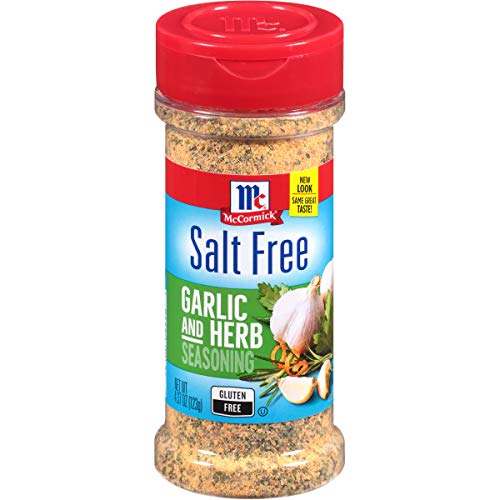
McCormick Salt Free Garlic and Herb Seasoning, 4.37 oz
McCormick Salt Free Garlic and Herb Seasoning has no salt or MSG added
As an affiliate, we earn on qualifying purchases.
As an affiliate, we earn on qualifying purchases.