
TL;DR
A Good Housekeeping household advice writer says checking for gaps about the width of a pencil eraser helped identify places mice could enter her home. She reports seeing no mice after sealing suspected openings and taking other steps, but the pencil check alone cannot show whether mice used a gap or prove it caused the problem to end.
A Good Housekeeping household advice writer says she and her roommates stopped seeing mice after checking for pencil-width gaps, sealing likely openings and removing accessible food. The “pencil trick” is a way to spot possible entry points, not a test that confirms mice used a particular gap or a standalone pest-control solution.

Get kitchen gear delivered free with Prime
- Fast, free delivery on millions of items
- Prime Video, Amazon Music and more included
- Member-only deals all year
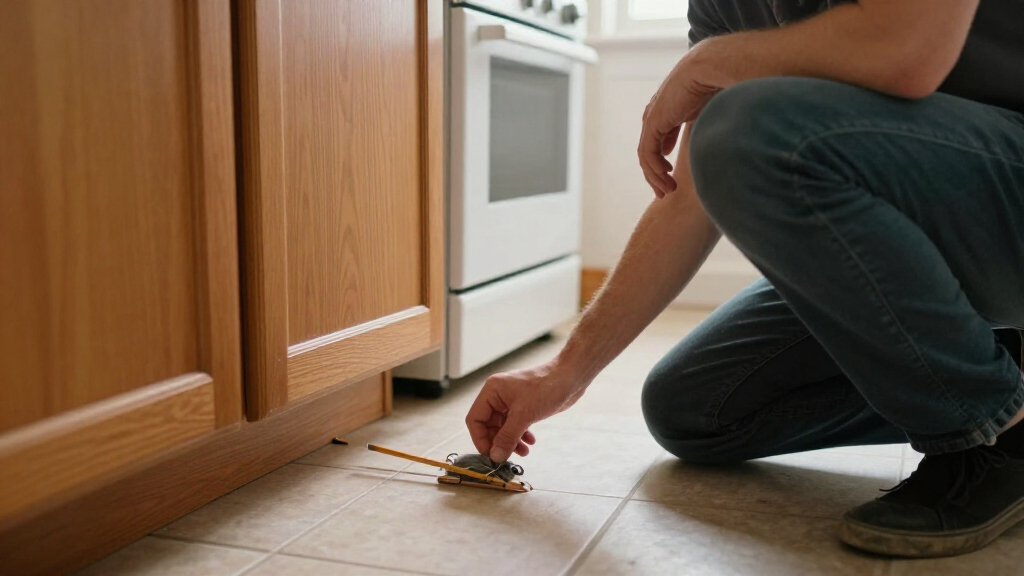
The writer describes hearing scratching at night and finding gnaw marks and small, dark droppings in kitchen cabinets. She used a pencil eraser as a rough reference while checking room edges, pipe and cable openings, spaces beneath doors, and areas behind appliances and cupboards. Gaps around that width were marked for closer attention.
The report says mice can squeeze through openings as small as 5 millimeters, approximately the width of a pencil eraser. The writer presents that measurement as a practical screening guide: finding a gap may help focus an inspection, but it does not establish that a mouse entered there. The source does not describe a controlled test or provide evidence that the pencil check alone eliminated the infestation.
For small openings, the report says the writer used wire wool and quick-setting cement, citing advice from the British Pest Control Association (BPCA). It recommends seeking help from a pest controller or tradesperson for larger or awkward holes, and warns not to block air vents or air bricks. The household also stored food in sealed containers, cleaned crumbs, secured waste and checked likely hiding places. The writer says there have been no further sightings, but the source does not give a follow-up period.
Finding Gaps Is Only One Step
The method gives households a simple way to identify openings worth inspecting, particularly around pipes, doors and appliances where gaps can be easy to miss. That may help direct attention toward possible routes into a kitchen or other room. It cannot confirm mouse activity on its own, and a gap check should not be mistaken for proof that a home is clear of rodents.
The report’s broader advice addresses several factors at once: potential access, available food and places to hide. If droppings, gnawing or scratching continue after those steps, professional assessment may be needed. In multi-unit housing, the writer advises notifying a landlord or building manager because access may involve shared walls or other parts of the building.
Products Worth Considering

Ninja SLUSHi Professional Frozen Drink Maker (FS301)

Vitamix 5200 Professional-Grade Blender, 64 oz. Container, Black

Instant Pot Pro 8-Quart 10-in-1 Electric Pressure Cooker, Black
As an affiliate, we earn on qualifying purchases.
How the Pencil Check Works
The pencil reference comes from the report’s estimate that a mouse may fit through an opening of about 5 millimeters. A resident can compare small gaps with an eraser while checking edges and concealed areas. The comparison is a rough visual guide, not a precise measurement or a way to identify the age, location or source of an infestation.
The writer attributes the recommendation to pack small gaps with wire wool and secure them with quick-setting cement to the British Pest Control Association. She cautions that mice may chew through some softer or edible materials and says larger or difficult repairs should be discussed with a pest controller or tradesperson. Ventilation openings should remain unobstructed.
““We haven’t seen a mouse since.””
— Good Housekeeping household advice writer Ella Duggan
What the Report Cannot Establish
The report is a first-person account, not a controlled evaluation of the pencil trick. It does not establish which route the mice used, whether sealing a particular gap caused sightings to stop, or whether the problem was fully resolved. The writer gives no duration for the period without sightings and no independent confirmation of the home’s status.
It also does not provide a complete assessment of the property or say whether a pest-control professional inspected it. Advice about sealing materials may depend on the size and location of an opening; the source specifically cautions against blocking vents and recommends expert help for larger or awkward holes.
When to Seek Pest Control
The report advises watching for fresh droppings, new gnaw marks or continued scratching after food is secured and likely entry points are addressed. If signs persist, contact a pest-control professional rather than relying on the pencil check alone. Residents of flats or other shared buildings should also notify a landlord or building manager if the issue may involve shared walls or common areas.
The source does not announce a formal follow-up or report new findings from the writer’s home. Its practical next step for readers is to inspect, reduce food access, avoid blocking ventilation, and get qualified help where the problem continues or repairs are complex.
Key Questions
What is the pencil trick for mice?
It is a visual check: compare small gaps around a home with a pencil eraser, which the report uses as a rough reference for an opening of about 5 millimeters. The check identifies possible entry points, not confirmed mouse routes.
Does finding a pencil-width gap mean mice are inside?
No. A gap may be large enough to investigate, but its presence does not confirm that mice used it or that an infestation is present.
What did the writer do besides checking gaps?
The writer says the household sealed likely openings, stored food in sturdy sealed containers, cleaned crumbs, secured waste and checked concealed areas for signs of mice.
When should I call a pest-control professional?
The report recommends contacting an expert if fresh droppings, gnaw marks or scratching continue after basic steps. It also suggests expert advice for large or awkward openings.
Can I seal every opening I find?
No. The report warns not to block air vents or air bricks. The appropriate repair depends on the opening; seek professional advice for difficult repairs and keep ventilation paths clear.
Source: rss