TL;DR

Get kitchen gear delivered free with Prime
- Fast, free delivery on millions of items
- Prime Video, Amazon Music and more included
- Member-only deals all year
A growing number of bars are offering guided, multi-course cocktail tastings inspired by omakase, the Japanese tradition of entrusting a meal’s selection to its maker. The format pairs cocktails with food and bartender interaction, but demand is not yet clear, and industry voices disagree over when the term is appropriate.
Bars are adopting omakase-style cocktail tastings, offering guests a guided sequence of drinks, food pairings and interaction with bartenders rather than a conventional order at the bar. Examples include New York’s Cocktail Omakase and Atlanta’s Tiger Sun, but how much demand exists for the format remains unclear, according to VinePair’s report.
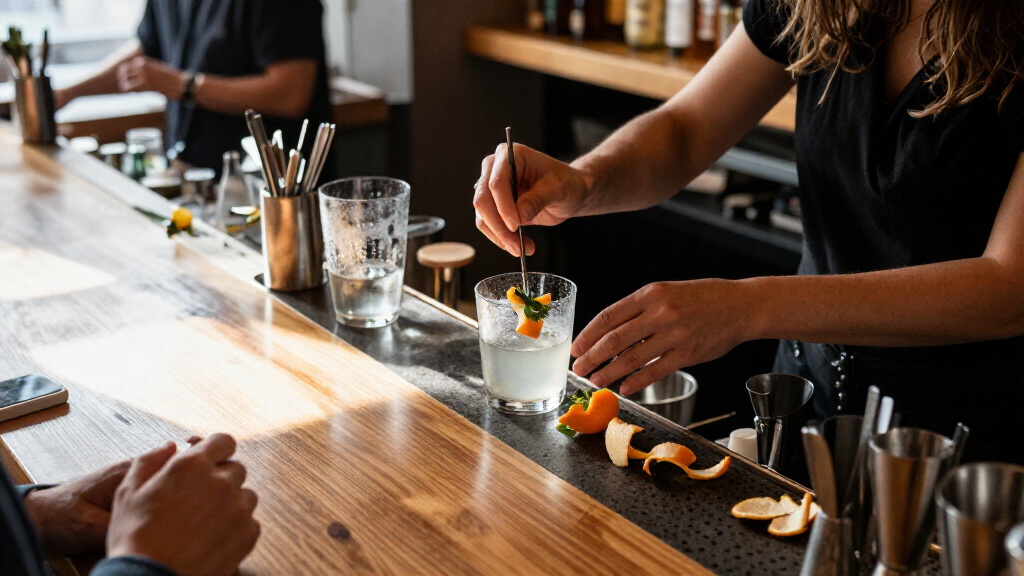
At Ophelia in midtown Manhattan, the experience is sold as the “Omacocktail”: a 90-minute tasting of seven small cocktails and small bites, offered through Bucket Listers for around $100. VinePair describes drinks prepared with techniques including smoking, atomizing and clarification. The final cocktail is served with drops of Louis XIII Cognac and a caviar pairing. Ophelia beverage director Amir Babayoff told the publication the format gives guests a chance to sit with the bartender and learn about the process.
Another New York example is Cocktail Omakase, a Lower East Side bar founded by Cocktail Kingdom CEO Greg Boehm in collaboration with Tokyo’s Bar Libre. Its four-course tasting costs $55, includes individual food pairings and changes every two weeks, according to VinePair. The bar seats guests in front of the bartender; it also has a separate seven-seat space where customers can order drinks à la carte.
In Atlanta, Tiger Sun serves a four-course cocktail tasting with food for $95 per person inside a refurbished vintage tour bus. Its menus draw on cult films from the 1970s, ’80s and ’90s. These examples show different ways venues are presenting the format, from technique-focused service to themed menus. They do not establish how widespread the trend is or how many guests are choosing it.
A New Format for Cocktail Service
The format gives bars a way to sell more than a single drink: a planned sequence in which each course can build on the last, with food, explanation and hospitality forming part of the experience. For guests, that can make craft cocktails more guided and educational, while setting a fixed price and duration before the visit. At the same time, the listed New York and Atlanta offerings cost $55 to around $100, putting them at a different price point from simply ordering a drink at a bar.
For operators, a tasting menu can provide a structure for presenting techniques and seasonal ingredients, and a reason for customers to book a dedicated experience. Whether enough customers will pay for it to make the format durable is unresolved. VinePair reports that cocktail tasting menus remain rare and says the level of demand is unclear. The examples are individual venues, not evidence of a broad shift across the bar industry.
The name itself also carries stakes. Omakase describes a relationship in which a guest trusts the person making the meal to choose what is served; it is not simply a synonym for a set menu. Using the term for cocktails may introduce drinkers to a more interactive format, but can also blur the distinction between a genuinely guest-led exchange and a predetermined series of drinks.
As an affiliate, we earn on qualifying purchases.
VinePair traces omakase to Japanese food stalls during the Edo period, from 1603 to 1868, where customers trusted vendors to select fresh fish. The term later became associated with high-end sushi experiences in Japan and abroad. Its use has since spread to other dining and cultural offerings: the report cites taco omakase at Mexico City’s Pujol, pizza omakase at New York’s Pasquale Jones and a vinyl omakase at Austin listening bar Equipment Room.
The shift to cocktails follows interest among bars in guided, technique-led service, but practitioners differ on whether the label fits. Don’t Be Shy beverage director Shinya Yamao says a tasting menu is a format, while omakase depends on the relationship between guest and creator. Hospitality consultant Hiro Nishida argues that the idea can carry into bars when the experience focuses on technique, seasonal ingredients and hospitality.
The distinction helps explain why the venues describe their offerings differently. Cocktail Omakase says the philosophy informs its service and seating, while Ophelia’s “Omacocktail” is presented as a theatrical, bookable tasting. The available report does not establish a shared industry standard for what a cocktail omakase must include.
““When you do the Omacocktail, you get to sit with the bartender, and you get to learn about the processes and techniques. It’s very intimate.””
— Amir Babayoff, beverage director at Ophelia
As an affiliate, we earn on qualifying purchases.
Demand and Meaning Remain Unsettled
The scale and staying power of cocktail omakase are not yet clear. The report identifies several venues and gives prices and menu formats, but provides no sales figures, booking rates, repeat-visit data or industry-wide survey that would show how many customers want the experience. The listed examples cannot establish whether the model is spreading broadly or will remain a niche offering.
There is also no common definition in the source material for what qualifies as an omakase bar. Yamao says a predetermined tasting alone is insufficient; Nishida emphasizes technique, seasonality and hospitality. It remains unclear whether customers, bars or the wider hospitality industry will converge on a consistent use of the word, or whether it will increasingly serve as a label for varied tasting menus.
As an affiliate, we earn on qualifying purchases.
Watch How Bars Build the Format
The venues’ changing menus provide one near-term measure of how they are developing the idea. Cocktail Omakase says its four-course menu changes every two weeks, while Tiger Sun builds each new menu around a cult film. Whether those changes lead to continued bookings or repeat visits has not been reported.
For readers considering a booking, the practical details available vary by venue: the reported examples range from a 90-minute, seven-cocktail experience at Ophelia to four-course menus at Cocktail Omakase and Tiger Sun. The source does not provide a broader timetable for new openings or additional market data. The next clear evidence of the trend’s reach would be further venues adopting the format alongside reported customer demand, rather than the label alone.
As an affiliate, we earn on qualifying purchases.
Key Questions
What does a cocktail omakase involve?
In the examples reported by VinePair, it is a guided sequence of cocktails, often served with food and some explanation or interaction with the bartender. The number of courses, price and style differ by venue.
How much do the reported experiences cost?
VinePair lists Cocktail Omakase in New York at $55 for four courses, Tiger Sun in Atlanta at $95 per person for four courses with food, and Ophelia’s 90-minute Omacocktail at around $100.
Is omakase just another word for a tasting menu?
Not according to every hospitality professional quoted. Don’t Be Shy’s Shinya Yamao says the term describes the relationship between guest and creator, not merely a predetermined sequence. Other practitioners argue its principles can apply to cocktails when the experience includes technique, seasonal ingredients and hospitality.
Is the cocktail omakase trend growing?
The report identifies several bars using the format, but gives no booking, sales or industry-wide data. How much demand exists remains unclear, so the examples do not establish how widespread or lasting the trend will be.
Source: rss
Fall Picks
fall essentials
As an affiliate, we earn on qualifying purchases.