TL;DR

Get kitchen gear delivered free with Prime
- Fast, free delivery on millions of items
- Prime Video, Amazon Music and more included
- Member-only deals all year
Search and coverage interest is spiking around the topic of which Italian chain restaurants serve the best Bolognese sauce, as judged by chefs. The underlying list and its specific picks are not verified here, and what drove the surge remains unclear.
Online search and media interest is spiking around a single question: which of the large Italian restaurant chains serve the best Bolognese sauce, as judged by professional chefs. The trend centers on list-format coverage — typically five chains — that polls chefs on where the meat ragù holds up outside independent trattorias. The specific rankings circulating in this coverage are not independently verified, and what triggered the current surge in attention is not confirmed.
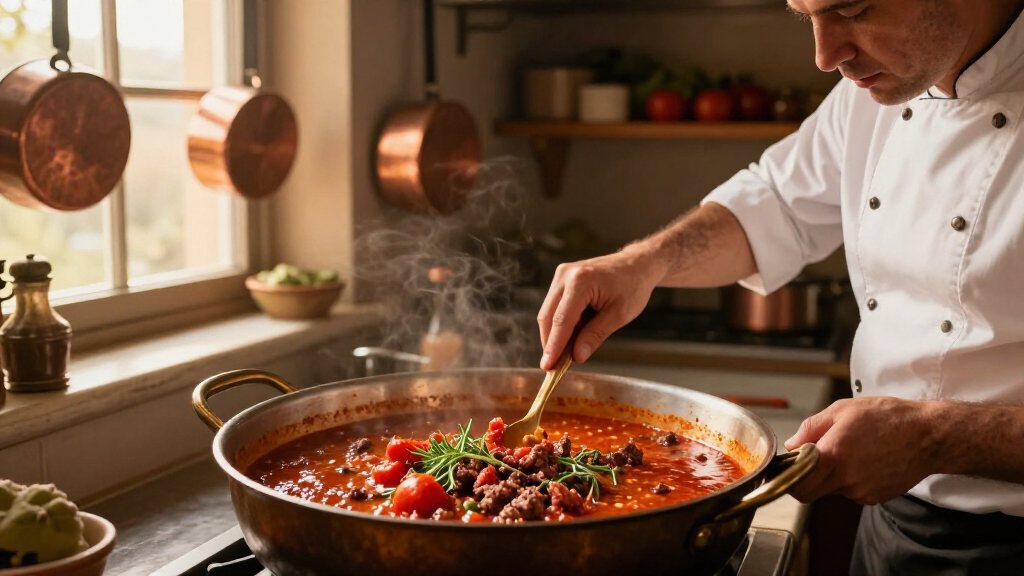
What is confirmed at this stage is the pattern of interest, not the content of any particular ranking. Listicles of the type “5 Italian Chains With the Best Bolognese, According to Chefs” are a long-established genre of food coverage, in which food writers ask working chefs to name chain restaurants where a dish meets professional standards. Bolognese — a slow-cooked meat sauce originating in and around Bologna, Italy, traditionally built with ground meat, soffritto, wine and a small amount of tomato — is a common subject for such comparisons because it is widely served but unevenly executed.
These lists typically evaluate chains on criteria such as sauce texture, meat quality, balance of acidity and richness, and how closely the preparation resembles a traditional ragù rather than a generic marinara with added beef. The names that appear most often in this genre of coverage are the major full-service Italian chains operating across the United States, but no specific chain picks from the current wave of coverage are verified in the material available here, and readers should treat any named ranking as an editorial claim rather than an established fact.
It is also confirmed that chef-sourced rankings differ from reader polls or sales data: they reflect individual professional opinion, usually gathered through interviews, and the same chain can appear, disappear or shift position between publications. There is no standardized methodology across outlets.
Why Chain Bolognese Rankings Draw Readers
The surge matters to readers for a practical reason: choosing among large Italian chains is a low-information decision. Most diners encounter these restaurants while traveling, ordering delivery or dining with groups, and a chef’s endorsement offers a shortcut for judging where the food is likely to be made with more care. Bolognese is a useful test case because it cannot be faked easily — the sauce requires long simmering, and shortcuts show up in the final texture and flavor.
The trend also reflects a broader shift in food media, where professional tastemakers increasingly weigh in on casual dining rather than only fine dining. For the chains themselves, appearing on such lists is a form of earned credibility that outlets can amplify in marketing, which is one reason coverage of this type recurs regularly.
As an affiliate, we earn on qualifying purchases.
How Chef-Ranked Chain Lists Became a Genre
Chef-ranked chain restaurant lists became a staple of food websites over the past decade, as publishers found that pairing professional credentials with mass-market brands generated strong engagement. The format usually involves polling several chefs or asking a single well-known cook for their picks, then packaging the answers as a ranked or unranked list.
Bolognese itself has a defined tradition: in Bologna, the sauce is served with tagliatelle rather than spaghetti, uses a modest amount of tomato, and depends on slow cooking. Chain versions often depart from this — more tomato, different pasta shapes, faster production — which is precisely why chefs are asked to sort the better executions from the weaker ones. Earlier waves of similar coverage have ranked chains on lasagna, chicken parmigiana and marinara using the same format.
As an affiliate, we earn on qualifying purchases.
What the Current Spike Does Not Confirm
The trigger for the surge is unconfirmed. It is not clear whether a new list was published, an existing article recirculated on social media, a chain launched a promotion, or a seasonal dining pattern drove the interest. The metadata confirming the trend does not include the article’s full text, publication date, the chefs consulted or the chains named.
Additionally, the specific five chains cited in the current coverage are not verified here, and no claims about which restaurants rank best should be treated as confirmed fact. It is also unknown whether the chefs referenced were surveyed recently or whether the list recycles earlier commentary, a common practice in this genre.
As an affiliate, we earn on qualifying purchases.
Where the Trend Likely Goes From Here
Readers can expect the pattern to continue: similar chef-ranked lists for other Italian staples will likely follow, and any chain named in verified coverage tends to reference the ranking in its own marketing. To evaluate the current list accurately, readers should look for the original publication, check which chefs were quoted by name and note whether the piece is dated or republished content. If the underlying article surfaces with named sources, its picks can be reported as attributed claims rather than unverified ones.
As an affiliate, we earn on qualifying purchases.
Key Questions
Which Italian chains were named as having the best Bolognese?
That is not verified in the information available here. The trend confirms rising interest in a chef-ranked list of five chains, but the specific restaurants named, the chefs consulted and the publication date of the list are not confirmed.
Why do chefs rank chain restaurants at all?
Chef-ranked chain lists are an established food-media format. Publishers ask professional cooks where mass-market food is prepared well, on the theory that trained chefs can identify kitchens doing real cooking. The rankings reflect individual professional opinion, not a standardized test.
What makes a Bolognese ‘good’ by traditional standards?
Traditional Bolognese is a slow-cooked meat ragù from the Bologna region, built on ground meat, soffritto, wine and a small amount of tomato, typically served with tagliatelle. Chefs evaluating chain versions generally look for proper slow cooking, balanced richness and a texture that is not simply a thin tomato sauce with added beef.
Should I treat these rankings as fact?
No. They are editorial claims attributed to individual chefs, often gathered informally. The same chain can appear or disappear between lists from different outlets, and there is no shared methodology.
What caused the current spike in interest?
It is unclear. The trigger could be a newly published list, recirculated older content, a chain promotion or seasonal dining habits, but none of these explanations is confirmed.
Source: rss
Halloween Picks
halloween
As an affiliate, we earn on qualifying purchases.