
Transforming last night’s dinner leftovers into a new dish is a smart, sustainable choice that saves money and reduces waste. You can repurpose cooked chicken into tacos, shred meat for casseroles, or turn roasted vegetables into soups or frittatas. Storage techniques like airtight containers and proper freezing help keep leftovers fresh and safe. By thinking creatively, you’ll discover easy ways to breathe new life into your leftovers and make mealtime exciting—keep exploring for more helpful ideas.
Key Takeaways
- Identify versatile leftovers like cooked vegetables, rice, or meats that can serve as the base for new dishes.
- Use proper storage methods to keep leftovers fresh and plan ahead for their transformation.
- Incorporate leftovers into creative recipes such as fried rice, casseroles, or stuffed peppers to reinvent the meal.
- Shred or chop leftover proteins and vegetables to easily integrate into soups, omelets, or pasta sauces.
- Experiment with flavors and seasonings to enhance leftover ingredients and develop appealing, entirely new dishes.
Have you ever wondered how to make the most of your leftovers instead of letting them go to waste? The answer lies in smart meal planning and effective food preservation. When you approach leftovers with intention, you can turn yesterday’s dinner into a delicious new dish, saving time, money, and reducing food waste. The key is to think creatively about how different ingredients can be repurposed, and to store leftovers properly so they stay fresh and safe to eat later.
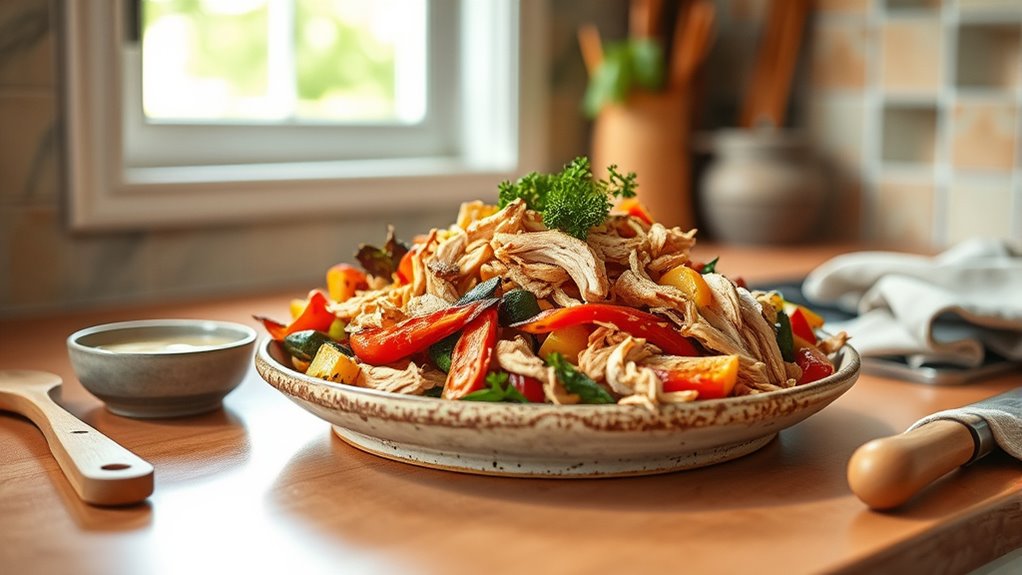
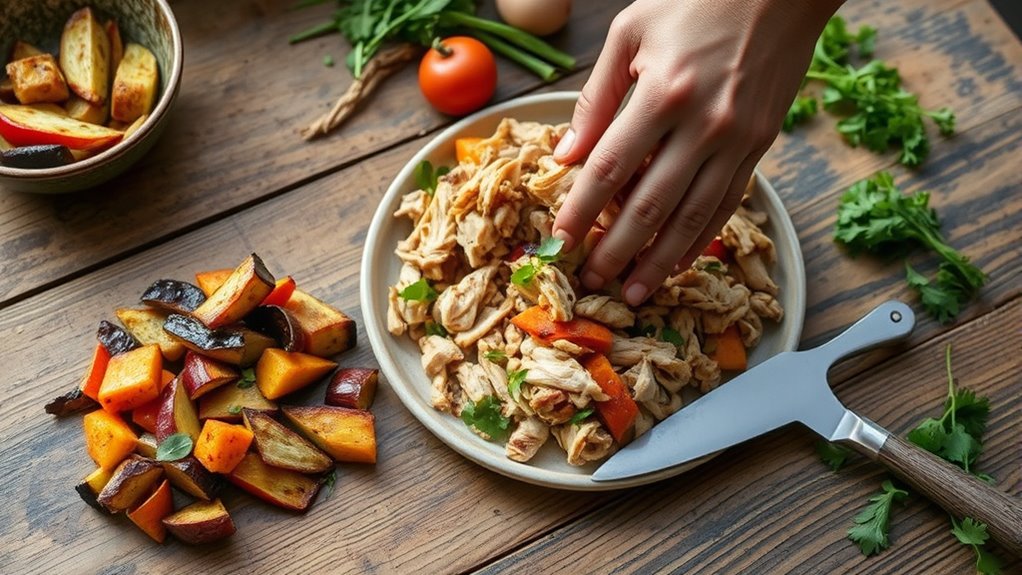
Meal planning plays a essential role here. Instead of simply reheating the same meal, you can intentionally set aside portions that lend themselves to transformation. For example, leftover roasted vegetables can become the base for a hearty soup or mixed into an omelet. Cooked chicken can be shredded and added to tacos or salads. By planning your meals with versatility in mind, you’re more likely to see leftovers as ingredients rather than just leftovers. This mindset encourages you to experiment and find new ways to enjoy familiar flavors.
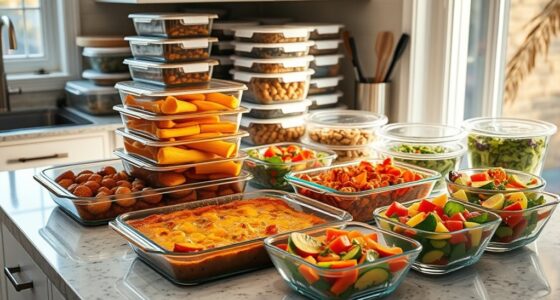
Food preservation techniques are equally important in this process. Proper storage extends the life of your leftovers, giving you more options to work with later. Use airtight containers to prevent spoilage, label leftovers with dates, and store them at the right temperature. Freezing is a fantastic method for preserving leftovers that you don’t plan to eat within a couple of days. For example, freezing cooked grains or sauces allows you to have a stash ready for future meals. When you’re ready to use them, simply thaw and incorporate into new dishes.
Transforming leftovers into fresh meals also involves a bit of culinary creativity. For instance, leftover rice can be turned into fried rice with some vegetables and soy sauce, or used as a stuffing for peppers. Leftover meats can be shredded and mixed into casseroles or pasta sauces. The possibilities are endless when you think beyond reheating. Plus, this approach helps reduce your grocery bills, since you’re making the most out of what you already have.
In addition, using proper storage and handling techniques can significantly extend the freshness of your leftovers, making them safer and more enjoyable to eat later. The possibilities are endless when you think beyond reheating. Plus, this approach helps reduce your grocery bills, since you’re making the most out of what you already have.
In essence, making the most of leftovers requires a combination of thoughtful meal planning and food preservation. It’s about viewing your refrigerator as a treasure trove of ingredients rather than a pile of uneaten food. When you master these skills, you’ll find that transforming last night’s dinner into a new, exciting dish becomes second nature, helping you eat smarter, save money, and contribute to a more sustainable way of living.
Frequently Asked Questions
How Can I Store Leftovers Safely for Later Use?
To store leftovers safely, you should focus on proper refrigeration and airtight containers. First, cool your food quickly to prevent bacteria growth, then transfer it into airtight containers to keep out moisture and contaminants. Store leftovers in the fridge at or below 40°F (4°C) and consume them within 3-4 days. Always label containers with date info, so you know when to use them and avoid spoilage.
Which Leftover Dishes Are Best Suited for Transformation?
Thinking of giving your leftovers a fresh twist? You’ll find that hearty dishes like roasted meats, rice, and roasted vegetables lend themselves well to transformation. Reheating techniques like steaming or pan-frying help preserve their flavor and texture. Pair these ingredients with complementary flavor pairings, such as herbs or spices, to create exciting new meals. With a little creativity, you turn yesterday’s dinner into a delicious, reinvented masterpiece.
How Long Can Leftovers Be Kept Before They Spoil?
You should generally consume leftovers within 3 to 4 days to guarantee food safety. Proper storage tips include keeping leftovers in airtight containers and refrigerating them promptly, ideally within two hours of cooking. Always reheat leftovers thoroughly to kill bacteria before eating, and trust your senses—if it smells off or looks strange, it’s safer to discard it. Staying mindful of storage tips helps prevent spoilage and keeps your meals safe to enjoy later.
Are There Any Leftovers I Should Avoid Transforming?
Think of leftovers as a treasure chest, but not every gem is worth polishing. Pork leftovers, if they’ve sat too long or smell off, can be a trap, risking food poisoning. Seafood leftovers, delicate and fleeting, are best left untouched once the clock strikes too many hours. If they seem questionable, trust your nose and instincts—when in doubt, toss them out to keep your kitchen safe and your meals delightful.
What Are Some Creative Presentation Ideas for Transformed Dishes?
You can elevate your transformed dishes with creative presentation ideas by experimenting with plating techniques and color contrast. Use different plate shapes or stacking methods to add visual interest, and incorporate vibrant ingredients for striking color contrast. Garnish thoughtfully with herbs or edible flowers, and play with height and symmetry. These techniques make your dish appealing and showcase your culinary creativity, turning leftovers into a memorable dining experience.
Conclusion
Now, imagine the sizzle of yesterday’s veggies blending into today’s creation, flavors dancing in harmony. As you plate your transformed leftovers, the aroma whispers of new beginnings, turning yesterday’s meal into tomorrow’s delight. With each bite, you savor not just food, but the art of renewal—crisp, warm, and full of possibility. Leftovers become more than memory; they’re a canvas for your culinary creativity, ready to inspire your next delicious adventure.