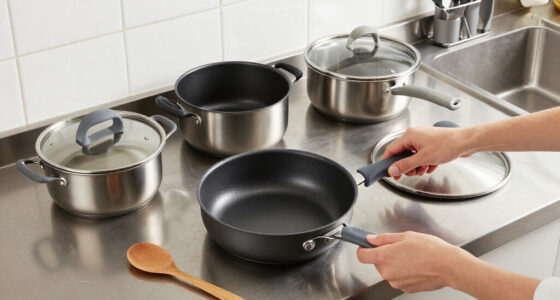
Electric pressure cookers have become the hardest-working appliance on the counter, and the right one can replace a slow cooker, rice maker, and stovetop pot in a single unit. My top pick overall is the Instant Pot Rio Wide 7.5 Qt, which pairs a family-sized capacity with WhisperQuiet operation and a wide pot shape that handles roasts and whole chickens better than narrow designs. For tight budgets, the Instant Pot Duo 6 Qt remains the benchmark for value and ecosystem support, while the Ninja HyperHeat 9-in-1 stands out if searing performance matters to you. The main tradeoffs in this category come down to capacity versus counter space, nonstick convenience versus stainless durability, and whether you need basic pressure functions or a full multi-cooker. Read on for the full breakdown of all fifteen models.

Get kitchen gear delivered free with Prime
- Fast, free delivery on millions of items
- Prime Video, Amazon Music and more included
- Member-only deals all year
Complete the kit


Key Takeaways
- The Instant Pot Rio Wide 7.5 Qt earns the top spot because its wide pot geometry and WhisperQuiet steam release solve the two most common complaints about standard electric pressure cookers: cramped cooking space and loud, startling depressurization.
- Across the lineup, inner pot material was the biggest differentiator within identical price tiers — stainless steel models like the Instant Pot Duo and Midea 8 Qt proved more durable and versatile for searing, while ceramic and nonstick options like the Cosori and COMFEE’ traded longevity for easier cleanup.
- The 3-quart mini category split sharply: the Instant Pot Duo Mini justifies its higher cost with build quality and accessory availability, while budget minis from NEWBULIG and OLIXIS make sense only for solo cooks or dorm use.
- The NESCO NPC-9 is the only model here that functions as a true pressure canner, making it less of a multi-coer pick and more of a specialized tool for home preservation — buyers who never can should skip it despite its premium build.
- Several budget 8-quart models (Sweetcrispy, DUMOS) match pricier rivals on preset counts but cut corners on lid mechanisms and gasket quality, which is where repeated daily use reveals the difference.


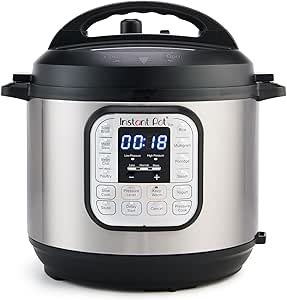


| electric pressure cooker | Capacity | Functions | Voltage |
|---|---|---|---|
| Midea 12-in-1 Electric Pressur | 6 quarts | 12-in-1 | — |
| COMFEE’ 12-in-1 Electric Press | 6 quarts | 12-in-1 | — |
| Midea 12-in-1 Electric Pressur | 8 quarts | 12-in-1 | — |
| NEWBULIG 10-In-1 Electric Pres | 3 quarts | 10 preset cooking modes | — |
| Ninja HyperHeat 9-in-1 Pressur | 6.5 quarts | 9-in-1 | — |
| Cosori 6QT Pressure Cooker | 6 Quarts | — | 120 V |
| Instant Pot Duo 6 Qt 7-in-1 El | 6 Quarts | 7-in-1 (pressure cook, slow cook, sauté, steam, rice, yogurt, warm) | 120 V |
| Sweetcrispy 16-in-1 Electric P | 8.46 Quarts | — | 120 Volts |
| Instant Pot Rio Wide 7.5 Qt 7- | 7.5 Quarts | 7-in-1 (pressure cook, slow cook, sauté, steam, rice, yogurt, warm) | 120 V |
| Instant Pot Rio Mini 4 Qt 7-in | 4 Quarts | 7-in-1 (pressure cook, slow cook, sauté, steam, rice, yogurt, warm) | 120 V |
| Instant Pot Duo 7-in-1 Mini El | 3 Quarts | 7-in-1 (pressure, slow cook, rice, steam, yogurt, sauté, warm) | 120 V |
| NESCO NPC-9 Smart Electric Pre | 9.5 Quarts | — | — |
| OLIXIS 10-In-1 Electric Pressu | 3 Quarts | — | — |
| Sweetcrispy 16-in-1 Electric P | 8.46 Quarts | 16-in-1 with 12 presets | 120 Volts |
| DUMOS Electric Pressure Cooker | 8 Quarts | 16-in-1 with 12 one-touch presets | 120 Volts |
More Details on Our Top Picks
Midea 12-in-1 Electric Pressure Cooker, 6 Quarts, Multi-Functional Programmable
The 6-quart Midea makes the strongest all-around case for households that want pressure cooking plus several useful ways to handle everyday meals. Its stainless steel inner pot is a practical difference from the nonstick COMFEE’ 12-in-1: it suits cooks who prefer a metal cooking surface, while the dishwasher-safe parts simplify cleanup. Pressure cook, sauté, steam, and slow-cook modes give it range without requiring separate appliances. Midea lists a REALSAFE system with pressure and temperature protections, adding reassurance for cooks new to electric pressure cooking. Its tradeoff is the familiar one for a multi-cooker: many modes can take time to learn, and its footprint may be awkward in a tight kitchen. Choose it for balanced capacity and flexibility; skip it if simplicity or a compact setup matters more.
Pros:- Six-quart capacity suits many family meals
- Stainless steel inner pot avoids a nonstick cooking surface
- Pressure cook, sauté, steam, and slow-cook modes cover varied recipes
- Dishwasher-safe components and listed REALSAFE protections support easier upkeep and operation
Cons:- The many functions may take time for beginners to learn
- Its larger multi-cooker footprint may not suit a small kitchen
Best for: Households seeking a versatile 6-quart pressure cooker with a stainless steel pot and multiple cooking modes
Not ideal for: First-time cooks who want a very simple control panel, or people with little counter or cabinet space
- Capacity:6 quarts
- Functions:12-in-1
- Cooking modes:Pressure cook, sauté, steam, slow cook, yogurt, and more
- Inner pot material:Stainless steel
- Safety system:REALSAFE system with pressure limit, over-temperature, and overpressure release protections
- Dishwasher safe:Yes
Our verdict“Pick the Midea 6-quart for a flexible family cooker with a stainless steel pot; choose a simpler or smaller model if space and ease of learning lead your priorities.”
COMFEE’ 12-in-1 Electric Pressure Cooker, 6 Quarts, Nonstick Pot
The COMFEE’ pairs 14 preset functions with a 24-hour delay timer, making it the clearest fit here for cooks who like to plan a meal ahead. Its six-quart capacity matches the Midea 6-quart, but the COMFEE’ emphasizes presets and included tools, while the Midea offers a stainless steel inner pot. This model’s nonstick pot and supplied steam rack, measuring cup, and serving utensils give buyers a ready-to-start setup for varied tasks. Overheat protection, automatic pressure release, and a lid-safety lock are useful safeguards. The tradeoff is that preset-heavy controls can feel busier than a straightforward pressure cooker, and six quarts may not stretch to large batch cooking. Pick it for advance planning and bundled accessories; look elsewhere if you prefer steel cookware or fewer settings.
Pros:- 24-hour delay timer supports advance meal planning
- Fourteen presets provide options for different cooking tasks
- Includes a steam rack, measuring cup, spoon, ladle, and condensation cup
- Listed safety features include overheat protection, automatic pressure release, and a lid lock
Cons:- The number of functions and presets may overwhelm first-time users
- Six-quart capacity may be limiting for large households or batch cooking
- Nonstick pot differs from the stainless steel pot in the Midea 6-quart
Best for: Meal planners who want a 6-quart cooker with a delay timer, preset programs, and included cooking accessories
Not ideal for: Cooks who prefer a stainless steel inner pot, want fewer controls, or regularly prepare oversized batches
- Capacity:6 quarts
- Functions:12-in-1
- Preset functions:14
- Inner pot:Nonstick
- Delay timer:24 hours
- Safety features:Overheat protection, automatic pressure release, and lid-safety lock
- Included accessories:Spoon, ladle, condensation cup, measuring cup, steam rack, and power cord
Our verdict“Choose the COMFEE’ if a delay timer and included accessories will help you plan meals; opt for the Midea 6-quart if a stainless steel pot matters more.”
Midea 12-in-1 Electric Pressure Cooker, 8 Quarts, Stainless Steel Inner Pot
When the six-quart Midea feels too small for batch cooking, this 8-quart version offers more room while keeping the same stainless steel approach and broad multi-cooker role. That extra capacity is useful for larger portions or cooking ahead, but it also means a larger appliance to store. Its modes span pressure cooking, sautéing, steaming, slow cooking, rice, beans, soup, oatmeal, and yogurt, so it can cover much of a family’s routine without a separate cooker for each task. The REALSAFE system lists pressure and temperature protections, and dishwasher-safe components ease cleanup. Compared with the 6-quart Midea, the benefit is serving and batch capacity, not a fundamentally different cooking toolkit. Choose it when volume is the deciding factor; skip it if counter space is scarce or most meals are small.
Pros:- Eight-quart capacity accommodates larger batches than the Midea 6-quart
- Stainless steel inner pot provides a non-nonstick cooking surface
- Multiple cooking modes include pressure cooking, sautéing, steaming, rice, soup, beans, and yogurt
- Dishwasher-safe components and listed REALSAFE protections aid cleanup and safe operation
Cons:- The larger capacity takes more counter and storage space
- Numerous functions may be a learning curve for beginners
- May be more cooker than small households need for routine meals
Best for: Families and batch cooks who need extra room for larger meals, leftovers, or meal preparation
Not ideal for: Small households with limited storage or cooks who usually prepare one or two portions
- Capacity:8 quarts
- Functions:12-in-1
- Cooking modes:Pressure cook, sauté, steam, slow cook, oatmeal, soup, rice, bean chili, and yogurt
- Inner pot material:Stainless steel
- Safety system:REALSAFE system with pressure limit, over-temperature, and overpressure release protections
- Dishwasher safe:Yes
Our verdict“Choose this Midea when you regularly cook large batches and have room for an 8-quart appliance; the 6-quart Midea is a better fit for smaller portions.”
NEWBULIG 10-In-1 Electric Pressure Cooker, 3 Quart Multi Cooker with Stainless Steel Pot
The NEWBULIG is the small-batch choice in this group: its 3-quart capacity and stated dimensions suit kitchens where the 6-quart Midea would be harder to store or use. Ten preset modes cover common jobs such as rice and stew, and the push-button controls keep operation direct. At 7.9 pounds, it is also a lighter appliance to move between storage and counter. The product description mentions a ceramic non-stick inner pot, while the supplied specs list stainless steel as the material, so buyers should check the exact pot construction before choosing it for that reason. Compared with the Ninja HyperHeat’s 6.5-quart capacity, the NEWBULIG gives up serving size and extra cooking functions for a compact format. Its 700-watt rating and limited capacity make it a poor match for large batches.
Pros:- Three-quart capacity fits smaller portions and compact kitchens
- Ten preset modes include options such as rice and stew
- Push-button controls provide a direct operating interface
- Listed dimensions and 7.9-pound weight make it easier to place or move than larger models
Cons:- Three-quart capacity is restrictive for families and batch cooking
- At 700 watts, it is less powerful on paper than the 1200-watt Ninja HyperHeat
- Product details differ on whether the inner pot is ceramic nonstick or stainless steel
Best for: Solo cooks, couples, or small-kitchen owners who mainly prepare modest portions
Not ideal for: Families, batch cooks, or anyone who needs an appliance for larger roasts or multiple servings
- Capacity:3 quarts
- Functions:10 preset cooking modes
- Wattage:700 watts
- Control method:Push button
- Mode:Automatic
- Material:Stainless steel listed in specs; description also identifies a ceramic nonstick inner pot
- Dimensions:10.43 in D × 11.02 in W × 11.06 in H
- Weight:7.9 pounds
Our verdict“Consider the NEWBULIG for small portions and tight kitchens, but choose a larger model such as the 6.5-quart Ninja if you cook for a family.”
Ninja HyperHeat 9-in-1 Pressure Cooker, 6.5 qt, Stone Purple
The Ninja HyperHeat takes a different tack from the Midea cookers: its 1200-watt base and 6.5-quart pot pair pressure cooking with slow cooking, rice, sous vide, steaming, searing, sautéing, and yogurt functions. That makes it a strong match for cooks who want to brown food and switch cooking methods in one appliance. Its PFAS-free ceramic nonstick pot is removable for easier cleanup, though buyers who prefer stainless steel may favor either Midea instead. At 6.5 quarts, it offers a little more room than the 6-quart options but less than Midea’s 8-quart model. The broad feature set may take practice, and the supplied details describe a sizable base rather than compact storage. Choose it for cooking-method range and power; skip it if you need maximum batch capacity or want a simpler machine.
Pros:- 1200-watt power and HyperHeat technology are designed for faster cooking
- Nine functions include pressure cooking, searing, sautéing, and sous vide
- Six-and-a-half-quart capacity suits many family meals
- Removable PFAS-free ceramic nonstick pot supports easier cleanup
Cons:- Its many cooking modes may require a learning period
- The 6.5-quart capacity is smaller than the 8-quart Midea for batch cooking
- Nonstick ceramic pot may not suit cooks who prefer stainless steel
Best for: Home cooks who want a powerful multi-cooker for pressure cooking, searing, sous vide, and family-sized meals
Not ideal for: Batch cooks who need the 8-quart Midea’s capacity, or cooks who prefer stainless steel and fewer functions
- Capacity:6.5 quarts
- Functions:9-in-1
- Power:1200 watts
- Cooking modes:Pressure cook, slow cook, rice, sous vide, steam, sear, sauté, and yogurt
- Pot material:PFAS-free ceramic nonstick
- Included:SimpliServe Pot, HyperHeat Base, Pressure Lid, and Quick Start Guide
Our verdict“Pick the Ninja for a higher-powered cooker with searing and sous vide; choose the 8-quart Midea if larger batch capacity is your priority.”
Cosori 6QT Pressure Cooker, 9-in-1 with Ceramic Coating Pot and Safety Features
This Cosori stands out for its ceramic-coated inner pot, which solves the most common complaint about stainless models like the Instant Pot Duo: stuck-on food. If you cook a lot of rice, chili, or saucy dishes, the non-stick surface cuts cleanup time dramatically. The nine cooking functions cover the core bases — pressure cook, rice, steam, slow cook — without burying you in presets the way the Sweetcrispy 16-in-1 does. Its safety venting design and overheat protection make it a reasonable choice for cautious first-timers. The tradeoffs are real, though: ceramic coating can wear over years of use, and the steam release can splatter with liquid-heavy recipes, so keep a towel handy. The lid also needs careful dot-to-dot alignment before it will seal.
Pros:- Ceramic non-stick inner pot makes cleanup far easier than stainless
- Nine functions without overwhelming preset overload
- Safety venting design with overheat protection
- Dishwasher-safe parts and stainless housing
Cons:- Steam release can splatter with liquid-heavy dishes
- Slow cook mode may heat unevenly after long preheats
- Lid requires careful dot alignment to seal properly
Best for: Home cooks who hate scrubbing and want easy cleanup after rice, stews, and one-pot meals
Not ideal for: Buyers who want a pot that lasts a decade — ceramic coatings degrade faster than bare stainless steel like the Duo’s
- Capacity:6 Quarts
- Power:1100 W
- Voltage:120 V
- Inner Pot Material:BPA-free ceramic
- Dimensions:13.4 x 12.6 x 12.5 in
- Weight:11.9 lb
- Cooking Functions:9-in-1
Our verdict“Choose this if effortless cleanup matters more to you than long-term pot durability.”
Instant Pot Duo 6 Qt 7-in-1 Electric Pressure Cooker, Stainless Steel
The Instant Pot Duo earns the top spot because it nails the fundamentals that matter most: a durable 18/8 stainless steel inner pot, seven genuinely useful functions, and the largest ecosystem of recipes, accessories, and community support of any cooker here. Compared with the Cosori, you give up non-stick convenience but gain a pot that won’t wear out and can handle aggressive searing. The customizable smart programs let you fine-tune cook times, something the Sweetcrispy’s fixed presets don’t allow. It’s not perfect — the 6-quart capacity is tight for households over four, the lid can be fussy to close securely, and newcomers face a genuine learning curve. But for most cooks, this is the safest all-around bet in the category.
Pros:- Durable 18/8 stainless inner pot that resists wear and sears well
- Customizable smart programs for repeatable results
- Massive recipe and accessory ecosystem
- Layered safety mechanisms including overheat protection and lid lock
Cons:- 6-quart capacity limits batch cooking for larger families
- Learning curve for pressure-cooking newcomers
- Lid can be difficult to close securely until you learn the technique
Best for: Most families and meal preppers who want a proven, versatile multi-cooker with huge recipe support
Not ideal for: Households of five or more — the 6-quart pot fills up fast; they should look at the Rio Wide 7.5 Qt
- Capacity:6 Quarts
- Power:1000 Watts
- Voltage:120 V
- Functions:7-in-1 (pressure cook, slow cook, sauté, steam, rice, yogurt, warm)
- Material:18/8 Stainless steel
- Safety Features:Overheat protection, safety lid lock
- Included Accessories:Stainless steel steamer rack
Our verdict“The default choice for most kitchens — versatile, durable, and endlessly supported.”
Sweetcrispy 16-in-1 Electric Pressure Cooker 8QT with 12 Presets
If you need volume without paying Instant Pot prices, the Sweetcrispy makes a case for itself with 8.46 quarts of capacity and 12 one-touch presets — more raw size than either Instant Pot in this lineup. The ceramic inner pot matches the Cosori’s easy cleanup and resists scratching, while 1200 watts of power brings it to pressure quickly for a budget machine. The catch is refinement: push-button controls feel dated compared with the Duo’s customizable smart programs, and you can’t fine-tune presets the way Instant Pot owners can. It’s also physically large at 13.78 inches tall and 14.4 pounds, so small counters need not apply. For batch cooks, meal-preppers, and large households on a budget, those compromises are easy to accept.
Pros:- Generous 8.46-quart capacity for batch cooking
- 12 preset programs simplify common meals
- Scratch-resistant ceramic pot that’s dishwasher safe
- Overheat and dry-boil protection included
Cons:- Large footprint dominates small counters
- Push-button controls lack the customization of Instant Pot smart programs
- Preset-heavy interface can overwhelm beginners
Best for: Large households and weekly meal preppers who need 8-quart capacity at a lower price point
Not ideal for: Small kitchens and tinkerers — it’s bulky, and the fixed presets limit fine-tuning
- Capacity:8.46 Quarts
- Wattage:1200 Watts
- Voltage:120 Volts
- Cooking Programs:12 presets, 16-in-1 functions
- Inner Pot Material:Ceramic
- Control Method:Push button
- Dimensions:13.15 x 14.57 x 13.78 in
- Weight:14.4 pounds
Our verdict“A practical volume play for big families who value capacity over refinement.”
Instant Pot Rio Wide 7.5 Qt 7-in-1 Electric Pressure Cooker, WhisperQuiet
The Rio Wide occupies a smart middle ground: 7.5 quarts of capacity with Instant Pot’s polished software and — its signature trick — WhisperQuiet steam release, which makes it far less disruptive in open-plan kitchens than the Cosori or Duo when it vents. The wide pot shape also means more cooking surface, which helps when searing or fitting a whole chicken, something narrower 8-quart pots like the Sweetcrispy handle less gracefully. You get the same seven core functions and customizable programs as the Duo, plus dishwasher-safe parts throughout. Be realistic about the downsides: this is one of the pricier options here, it takes serious counter and cabinet space, and the feature set still demands some learning from beginners.
Pros:- WhisperQuiet steam release keeps open kitchens peaceful
- Wide 7.5-quart pot fits awkward cuts of meat and whole poultry
- Customizable smart programs like the Duo
- Dishwasher-safe parts for easy cleanup
Cons:- Higher price than basic 6-quart models
- Large footprint challenges small kitchens
- Feature set carries a learning curve for newcomers
Best for: Hosts and mid-to-large families who want extra capacity and quiet operation in an open kitchen
Not ideal for: Budget-focused buyers or small kitchens — you pay a premium for capacity and quiet venting you may not need
- Capacity:7.5 Quarts
- Power:1200 Watts
- Voltage:120 V
- Frequency:60 Hz
- Functions:7-in-1 (pressure cook, slow cook, sauté, steam, rice, yogurt, warm)
- Safety Features:Overheat protection, safety lid lock, multiple safety mechanisms
Our verdict“The upgrade pick for entertainers who need more room and quieter operation than the standard Duo.”
Instant Pot Rio Mini 4 Qt 7-in-1 Electric Pressure Cooker, Black
The Rio Mini proves small doesn’t mean stripped-down: you still get all seven cooking functions of its bigger siblings — including yogurt and sauté — in a footprint that fits a studio apartment or RV. Compared with the 3-quart mini cookers elsewhere in this roundup, the 4-quart pot is meaningfully more usable, handling dinner for two with leftovers instead of a single serving. The auto-sealing lid is a thoughtful safety touch that removes one common beginner anxiety, and at 800 watts it won’t trip circuits in older kitchens the way 1200-watt models like the Sweetcrispy can. The obvious limit is capacity: batch cooking, whole chickens, and dinner parties are off the table, and the smaller pot means more cook cycles for a family.
Pros:- Full 7-in-1 function set despite the compact size
- Auto-sealing lid adds beginner-friendly safety
- 4-quart pot is more practical than 3-quart minis
- Low 800-watt draw suits older kitchens and RVs
Cons:- Capacity caps out at small-household portions
- Too small for batch cooking or whole birds
- Seven functions still require some learning
Best for: Singles, couples, and small-space dwellers in apartments, dorms, or RVs
Not ideal for: Families and meal preppers — 4 quarts means multiple rounds to feed more than two or three people
- Capacity:4 Quarts
- Power:800 Watts
- Voltage:120 V
- Frequency:60 Hz
- Functions:7-in-1 (pressure cook, slow cook, sauté, steam, rice, yogurt, warm)
- Safety Features:Overheat protection, auto-sealing lid
- Material:Stainless steel
Our verdict“The right pick when counter space and portions are small but you want the full Instant Pot feature set.”
Instant Pot Duo 7-in-1 Mini Electric Pressure Cooker, 3 Quart, Stainless Steel
The Instant Pot Duo Mini stands out as the most trusted small-format option in this lineup, largely because its 7-in-1 functionality covers every core task — pressure cooking, slow cooking, rice, yogurt, sauté, steaming, and warming — without inflating the footprint. Compared with the OLIXIS 3-quart, it gives up a few presets but gains a genuinely polished ecosystem, including a recipe app with thousands of guided dishes that flattens the learning curve for beginners. The stainless steel inner pot is a meaningful upgrade over ceramic-coated alternatives for anyone worried about coating wear, though it does require more scrubbing. The real tradeoff is capacity: at 3 quarts, a whole chicken or a batch of chili for four is off the table, which is why the Sweetcrispy 8QT exists elsewhere in this guide.
Pros:- Genuine 7-in-1 versatility in a genuinely compact body
- Huge recipe ecosystem and app support shorten the learning curve
- Durable 18/8 stainless steel inner pot that won’t scratch or flake
- Dishwasher-safe parts make cleanup quick
Cons:- 3-quart capacity limits most family-scale recipes
- Multiple functions mean a steeper curve for first-time pressure cooker owners
Best for: Singles, couples, and dorm or RV cooks who want one appliance to replace several without dominating the counter
Not ideal for: Families of four or more — the 3-quart pot caps batch cooking and meal prep
- Capacity:3 Quarts
- Power:700 Watts
- Voltage:120 V
- Frequency:60 Hz
- Material:Stainless Steel (18/8)
- Functions:7-in-1 (pressure, slow cook, rice, steam, yogurt, sauté, warm)
- Safety Features:Overheat protection, safety lid lock
Our verdict“This is the safest small-format pick for cooks who want proven versatility and a big recipe library in a tiny footprint — as long as you’re feeding no more than two or three people.”
NESCO NPC-9 Smart Electric Pressure Canner and Cooker, 9.5 Quart, Stainless Steel
Where every other model here is a cooker first, the NESCO NPC-9 is a canner first — and that distinction changes everything about who should buy it. Its automatic pressure and temperature regulation removes the guesswork that makes stovetop canning intimidating, holding safe levels without constant vent-watching. That’s something the Sweetcrispy 16-in-1 or DUMOS 8QT simply cannot do; neither is rated for food preservation. The generous 9.5-quart capacity handles quart jars with room to spare, and the included canning and steam racks mean you’re not buying accessories separately. The flip side is focus: as an everyday multicooker it’s less preset-rich and more specialized than the Instant Pot Duo Mini, and beginners will still need to learn canning fundamentals regardless of the automation.
Pros:- Certified-style automatic pressure and temperature regulation for safe canning
- 9.5-quart capacity fits quart jars comfortably
- Includes canning rack, steam rack, and condensation catcher
- Digital display with preset programs for repeatable results
Cons:- Specialized for canning and small-batch work rather than all-purpose family cooking
- Learning curve for anyone new to pressure canning terminology and process
Best for: Home gardeners and food preservers who want to safely can tomatoes, jams, and vegetables without a stovetop pressure canner
Not ideal for: Everyday meal-prep cooks who never can — its size, specialization, and controls are overkill for weeknight dinners
- Capacity:9.5 Quarts
- Material:Stainless Steel
- Control Type:Digital with preset programs
- Cooking Modes:Pressure cook, slow cook, steam, water bath
- Included Accessories:Canning rack, steam rack, removable condensation catcher
- Inner Pot:Removable nonstick
- Safety Features:Locking lid, automatic float valve, pressure regulation system
Our verdict“If putting up your own preserves is the goal, this is the only choice in the lineup built for the job — everyone else should stick with a conventional multicooker.”
OLIXIS 10-In-1 Electric Pressure Cooker, 3 Quart Multi Cooker
The OLIXIS makes the list as the value-first compact pick, and its main argument against the Instant Pot Duo Mini is simple: you get ten presets — more functions — typically for less money. The ceramic non-stick inner pot is genuinely easier to wipe clean than the Instant Pot’s bare stainless steel, which matters for rice and stew cooks who hate scrubbing. What you give up is ecosystem: there’s no companion app or deep recipe library here, so you’re learning by trial rather than guidance. Controls are functional but basic, and unlike pricier rivals, no accessories ship in the box — no steam rack, no extra sealing ring. Compared with the NEWBULIG 3-quart elsewhere in this roundup, the ceramic pot is the differentiator; choose stainless if durability matters more, ceramic if easy cleanup wins.
Pros:- Ten cooking presets covering rice, stew, yogurt, and more
- Ceramic non-stick inner pot makes cleanup nearly effortless
- Lightweight at 7.9 pounds and easy to store
- High-pressure cooking cuts meal times substantially
Cons:- Basic digital controls lack advanced programming like delay-start fine-tuning
- No included accessories or extra sealing ring
- 3-quart capacity rules out family-size batches
Best for: Budget-conscious students or first apartment cooks who want preset simplicity and non-stick cleanup in a small package
Not ideal for: Cookers who want app support, accessories, or headroom to grow into advanced recipes
- Capacity:3 Quarts
- Wattage:700 Watts
- Material:Stainless steel body, ceramic non-stick inner pot
- Cooking Presets:10 programs including rice, stew, yogurt
- Operation Mode:Automatic
- Dimensions:10.43″D x 11.02″W x 11.06″H
- Weight:7.9 pounds
Our verdict“A sensible low-frills choice for small-household cooks who prioritize easy cleanup and preset convenience over ecosystem and extras.”
Sweetcrispy 16-in-1 Electric Pressure Cooker 8QT, 12-Preset Multi Cooker with Ceramic Pot
The Sweetcrispy earns its spot by delivering big-pot capability at a small-pot price point. With 8.46 quarts of capacity and a 1200-watt heating element, it out-muscles the Instant Pot Duo Mini on every batch-cooking task — whole roasts, meal-prep chili, corn on the cob for six. Against the similarly sized DUMOS 8QT, the comparison gets tighter: both offer 16 functions, a ceramic pot, and a 24-hour delay start, but the Sweetcrispy’s dishwasher-safe lid and sealing ring give it a small cleanup edge. The ceramic pot resists scratches well, though it demands more careful handling than the bare stainless pot in the Midea 8-quart if longevity is your worry. Real drawbacks: at 14.4 pounds it’s awkward to move, and the 16-function panel takes a week or two to internalize.
Pros:- 8.46-quart capacity handles whole chickens and large-batch meal prep
- 16-in-1 functions with 12 one-touch presets
- Scratch-resistant ceramic inner pot
- Dishwasher-safe lid and sealing ring plus 24-hour delay start
Cons:- Heavier and bulkier than most rivals at 14.4 pounds
- Dense control panel requires a learning period
- 120V-only power limits use outside North America
Best for: Budget-minded families who batch-cook and want maximum capacity and functions per dollar
Not ideal for: Small-kitchen dwellers or solo cooks — the footprint and 8-quart size are wasted on one or two servings
- Capacity:8.46 Quarts
- Wattage:1200 Watts
- Voltage:120 Volts
- Functions:16-in-1 with 12 presets
- Inner Pot:Ceramic
- Delay Start:24-hour programmable
- Safety Features:Overheat and dry-boil protection
- Dimensions:13.15″D x 14.57″W x 13.78″H
- Weight:14.4 pounds
Our verdict“The strongest capacity-for-the-money play in this batch, best for households that cook in volume and don’t need a brand-name ecosystem.”
DUMOS Electric Pressure Cooker 16-in-1, 8QT Programmable Multi Cooker
The DUMOS is positioned as the meal-planning workhorse of this batch, and its advantage over the Sweetcrispy 16-in-1 — its near twin in size and power — comes down to scheduling and warming. The combination of smart one-touch presets, delay start, and a keep-warm function means you can load ingredients in the morning and serve a hot dinner without intervention, which is exactly the workflow busy households need. The ceramic inner pot releases food cleanly, and the locking lid plus dishwasher-safe parts keep day-to-day use painless. Tradeoffs mirror its rival: the large footprint claims serious counter space, the push-button panel is busier than the Instant Pot Duo Mini’s simpler interface, and first-time pressure cooks may find sixteen functions more overwhelming than helpful.
Pros:- 16 functions span everything from yogurt to soup to steaming
- 8-quart capacity suits family-size meals and batch cooking
- Delay start plus keep-warm enables true set-and-forget scheduling
- Ceramic inner pot and dishwasher-safe parts simplify daily cleanup
Cons:- Large footprint crowds small kitchens
- Busy 16-function control panel can overwhelm beginners
- 1200-watt element and 120V-only design limit portability
Best for: Working parents and meal preppers who want to schedule dinners in advance and keep them warm until serving
Not ideal for: Tech-averse cooks or anyone with limited counter space — the panel and footprint both run large
- Capacity:8 Quarts
- Wattage:1200 Watts
- Voltage:120 Volts
- Functions:16-in-1 with 12 one-touch presets
- Control Method:Push button, programmable
- Special Features:Delay start, keep warm, locking lid, dishwasher safe
- Inner Pot:Ceramic
- Dimensions:13.15″D x 14.57″W x 13.78″H
- Weight:14.4 pounds
Our verdict“Pick this over the Sweetcrispy if scheduling features matter most to your routine; pick the Sweetcrispy if absolute lowest cost is the driver.”

How We Picked
My ranking starts with cooking performance and consistency: how evenly each model held pressure, how accurate its presets were for staples like rice, beans, and pot roast, and how forgiving it was for beginners. From there I weighed build quality, paying close attention to inner pot material, lid and float-valve mechanisms, and gasket design, because these are the components that fail first on cheap multi-cookers. Capacity and footprint mattered too — a 3-quart mini and a 9.5-quart canner serve completely different households, so I judged each model against its intended buyer rather than against the whole field.
Usability was the final filter. I favored models with intuitive controls and clear labeling over button-heavy units buried in submenus, and I credited thoughtful touches like quiet steam release, wide pot shapes, and dishwasher-safe inner pots. Value was judged holistically: a higher price had to buy real capability, not just a longer preset list. That is why the Instant Pot Rio Wide leads the ranking, the Duo 6 Qt anchors the value tier, and specialized picks like the NESCO canner sit lower for general buyers despite excellent construction.
Factors to Consider When Choosing Electric Pressure Cookers
Before settling on a model, it helps to understand what actually separates a satisfying electric pressure cooker from one that gathers dust. These are the factors that shaped my ranking — and the traps that catch buyers who focus only on preset counts.Capacity: Match the Pot to Your Real Household
The most common mistake in this category is buying capacity you do not use. A 6-quart pot suits families of three to five and handles most recipes as written, since nearly all pressure cooker cookbooks assume this size. An 8- or 9-quart model makes sense for batch cooking, large roasts, or weekly meal prep, but remember that a pressure cooker must never be filled more than two-thirds full — so a big pot used for small recipes wastes energy and counter space. On the other end, 3- and 4-quart minis excel for singles, couples, and side dishes, but they struggle with standard recipes and require awkward math to scale down. My advice: buy for the meals you cook weekly, not the holiday dinners you cook twice a year.
Inner Pot Material: The Decision That Outlives the Appliance
Every model in this roundup uses either stainless steel, nonstick aluminum, or ceramic-coated inner pots, and the difference shows up within months. Nonstick and ceramic pots clean effortlessly and are great for rice and oatmeal, but coatings scratch, lose effectiveness, and often cannot be replaced cheaply — at which point the whole appliance is compromised. Stainless steel is more durable, tolerates metal utensils, and can sear properly, but rice and dairy dishes stick and cleanup takes more effort. Serious pressure cooks tend toward stainless for its longevity and browning ability, while convenience-first buyers accept the coating tradeoff. Whichever you choose, confirm that replacement pots are available before buying, because this single part determines the appliance’s usable lifespan.
Preset Count Is Marketing — Function Logic Is What Matters
Manufacturers love advertising “16-in-1” capability, but many of those functions are just pressure and time variations wearing different labels. A yogurt button or a dedicated sauté setting adds genuine capability; a “meat” preset that mirrors “pressure cook high” does not. What actually distinguishes good units is adjustable pressure and time overrides, a manual mode, and a delayed start — features that let you follow any recipe rather than the manufacturer’s idea of dinner. Beginners benefit from a few well-tuned presets, but intermediate cooks quickly outgrow locked-down units. When comparing models, ignore the number on the box and check whether you can set pressure level, cook time, and release method yourself.
Safety Features and Steam Release
All reputable electric pressure cookers include redundant safety systems — lid-lock sensors, pressure regulators, and thermal cutoffs — so the real differences lie in day-to-day handling. The feature that matters most in practice is the steam release mechanism. Basic models vent loudly and can spatter starch-heavy liquids like oatmeal and pasta across your counter, while designs like the Instant Pot Rio Wide’s WhisperQuiet system or sealed-release handles make depressurization calm and contained. If you cook foods that foam — beans, grains, porridge — prioritize a gentler release path and a wide condensation collector. Also check how the lid stores when open; a lid that locks back onto the pot keeps drips off your counter and is a small detail you will appreciate daily.
Counter Space, Weight, and Storage Reality
An 8-quart pressure cooker is a large, heavy, permanent counter resident — most people will not haul a 15-pound appliance in and out of a cabinet every week, and models that get stored tend to stop getting used. Before choosing a big capacity, measure your counter and confirm you have room for the unit with its lid open. Mini models solve the storage problem but introduce another: their small footprint means less stable bases and smaller heating elements, so searing and sautéing performance suffers compared with full-size units. There is also the accessory question — trivets, steamer baskets, and spare sealing rings are sized to specific capacities, and the 6-quart standard has by far the widest ecosystem. If you like adding accessories over time, that ecosystem advantage is worth real weight in your decision.
When to Pay More — and When It Is Wasted Money
Spending more in this category buys three things: better build quality, quieter operation, and genuine added functions like pressure canning (the NESCO) or serious searing power (the Ninja HyperHeat). It does not buy better-tasting rice or faster pressure cooking — physics sets that ceiling, and a budget cooker at high pressure performs the same core task as a premium one. If you pressure cook once or twice a week for standard meals, a mid-tier stainless model covers you completely. Pay up only if you can name the specific capability you need: canning safety, quieter venting, wider pot geometry, or a heavy-grade heating element for browning. Buyers who cannot name one should keep their money — the value tier in this lineup exists precisely for them.
Frequently Asked Questions
Is a 3-quart pressure cooker too small to be useful?
A 3-quart model is genuinely useful, but only for the right household. It handles one to two servings of rice, soups, stews, and grains efficiently, and because small pots reach pressure faster, it is actually quicker for small batches than its full-size siblings. The tradeoff is recipe friction: most published pressure recipes assume 6 quarts, so you will constantly halve quantities and adjust liquid levels, and dishes like whole-chicken parts or a family chili simply will not fit. If you cook for two or fewer, or want a dedicated side-dish machine next to a larger cooker, a mini like the Instant Pot Duo Mini or OLIXIS 3 Quart earns its counter space. For anyone who regularly cooks three-plus servings, a 6-quart pot is the smarter default.
Should I choose a stainless steel or nonstick inner pot?
Stainless steel wins on durability and versatility: it sears properly, tolerates metal utensils and dishwasher heat indefinitely, and can be replaced when worn, which extends the life of the whole appliance. Nonstick and ceramic coatings win on convenience — rice, oatmeal, and tomato-based dishes release cleanly with a quick rinse, which matters a lot if you cook starchy foods daily. The honest tradeoff is lifespan: coatings degrade within a few years of regular use, and once they fail you are either buying a replacement pot or cooking on compromised surfaces. My suggestion is stainless if you sear meat or want a buy-it-for-a-decade purchase, and nonstick if cleanup friction is what would stop you from using the cooker at all. Models like the Midea 8 Qt and Instant Pot Duo line offer stainless; the Cosori and COMFEE’ favor coated pots.
What does ’16-in-1′ actually mean, and do I need that many functions?
In most cases, the number is padded. The core functions every good model shares are pressure cook, sauté, slow cook, rice, steam, and keep warm; the remaining presets are usually just pre-programmed combinations of those same functions at different pressures and times. A dedicated yogurt mode (which holds a low, precise temperature) and a true pressure canning function are the rare additions that represent real capability — the NESCO NPC-9 is the only model in this lineup that legitimately canners. What matters more than the count is whether the unit lets you manually set time and pressure level, because that is what lets you follow any recipe. Choose based on the three or four dishes you cook weekly, not the number printed on the box.
Can I use a big 8- or 9-quart cooker for small meals?
Yes, with two caveats. First, pressure cookers need a minimum liquid volume to build pressure safely, usually around one to two cups, so very small recipes may require more liquid than the recipe intends — which can water down results. Second, food cooks based on thickness and density rather than pot size, so a small meal in a big pot turns out fine but takes slightly longer to pressurize because of the larger air volume. The practical guidance: an 8-quart pot like the Sweetcrispy or DUMOS models handles small meals acceptably if you add a bit of extra liquid and accept slower pressurization. If most of your cooking serves one or two people, though, the big unit’s counter footprint and weight become a daily annoyance that a 6-quart or mini model avoids entirely.
Do I need a model that can pressure can, like the NESCO?
Only if you actually preserve food — and this distinction matters for safety, not just convenience. Standard electric pressure cookers, including every Instant Pot in this lineup, cannot safely pressure can because their temperature regulation is not certified to hold the sustained, precisely monitored pressure that home canning of low-acid foods requires. The NESCO NPC-9 is built and rated for that task, with a pressure gauge and the capacity to process multiple quart jars at once. If you can vegetables, meats, or broths even a few times a season, that capability justifies the NESCO on its own. If you never can, you are paying a premium for a heavier, less versatile multi-cooker — a standard model like the Instant Pot Rio Wide will serve you better for everyday cooking.
Conclusion
After comparing all fifteen models, the right choice depends far less on preset counts and far more on pot size, pot material, and how you actually cook. For most households, the Instant Pot Rio Wide 7.5 Qt is my best overall pick — its wide pot geometry, quiet steam release, and family-sized capacity solve the everyday frustrations that cheaper units ignore. The Instant Pot Duo 6 Qt takes best value, delivering proven performance and the largest accessory ecosystem at a price that leaves little reason to go cheaper. Beginners are best served by the COMFEE’ 12-in-1, whose nonstick pot and straightforward presets remove the two biggest early hurdles: cleanup and guesswork.
For specific needs: large households and batch cookers should look at the Midea 8 Qt or DUMOS 16-in-1 for serious capacity; solo cooks and small kitchens get the most from the Instant Pot Rio Mini or budget-friendly NEWBULIG 3 Quart. The Ninja HyperHeat is the pick for anyone who wants real searing power before pressure cooking, and the NESCO NPC-9 stands alone for home canners. Whichever direction you take, match the cooker to your weekly routine rather than the feature list — the model that fits how you cook is the one that stays out of the cabinet and in rotation.