
Small kitchen appliances impact the environment mainly from their energy use, manufacturing, and waste. Every time you use or leave appliances plugged in, you add to energy demand, often from fossil fuels. Manufacturing consumes resources and produces emissions, while poorly recycled appliances contribute to landfill waste and pollution. Choosing energy-efficient, durable models and recycling responsibly can reduce your environmental footprint. To discover how you can make smarter choices, explore more about their full environmental effects.
Key Takeaways
- Small appliances consume energy during use, often from fossil fuels, increasing greenhouse gas emissions.
- Manufacturing processes for appliances involve resource extraction and energy use, contributing to environmental degradation.
- Durable and properly maintained appliances reduce waste and the need for frequent replacements.
- Choosing energy-efficient and eco-friendly appliances minimizes overall environmental impact.
- Proper disposal and recycling of appliances prevent hazardous waste and conserve valuable materials.

Small kitchen appliances, while convenient, can substantially impact the environment through energy consumption and waste. Every time you use a blender, toaster, or coffee maker, you’re drawing power that adds up over time. These devices often draw more energy than you realize, especially if they’re left plugged in or used frequently. This continuous energy use contributes to higher electricity demand, which in turn increases the reliance on fossil fuels in many regions, fueling greenhouse gas emissions. Reducing your appliance usage or choosing energy-efficient models can make a notable difference. By being mindful of how often you operate these devices and opting for those with high energy efficiency ratings, you help lower overall energy consumption and lessen your carbon footprint.
Unplug small appliances to reduce energy use and lower your carbon footprint.
Beyond energy use during operation, the manufacturing footprint of small kitchen appliances plays a significant role in their environmental impact. The manufacturing process involves mining raw materials, such as metals and plastics, which often results in habitat destruction and pollution. Manufacturing facilities consume large amounts of energy, often derived from fossil fuels, further increasing greenhouse gas emissions. Additionally, the production of these appliances generates waste, including emissions and byproducts that can pollute air and water sources. Choosing appliances made from sustainable or recycled materials can help mitigate some of these impacts. Also, supporting brands that prioritize eco-friendly manufacturing practices encourages a shift toward more sustainable production methods industry-wide.
Your purchasing decisions matter. Opting for appliances that are built to last reduces the frequency of replacements, cutting down on waste and the manufacturing footprint associated with producing new devices. Proper maintenance, such as cleaning filters or avoiding overuse, can prolong the lifespan of your appliances, further reducing their environmental impact. Responsible disposal and recycling of small appliances can significantly reduce e-waste and prevent hazardous materials from polluting the environment. When it’s time to dispose of an appliance, recycling it responsibly ensures that valuable materials can be reused, preventing unnecessary waste from ending up in landfills. This approach not only minimizes environmental harm but also reduces the demand for raw material extraction and manufacturing energy.
In the end, being aware of your small kitchen appliances’ energy consumption and manufacturing footprint empowers you to make smarter choices. Simple actions like unplugging devices when not in use, choosing energy-efficient models, and supporting sustainable brands can collectively make a meaningful difference. Every small step contributes to lessening environmental strain, conserving resources, and promoting a more sustainable future. Your conscious consumption can influence industry practices and help move toward a planet where convenience doesn’t come at the expense of the environment.
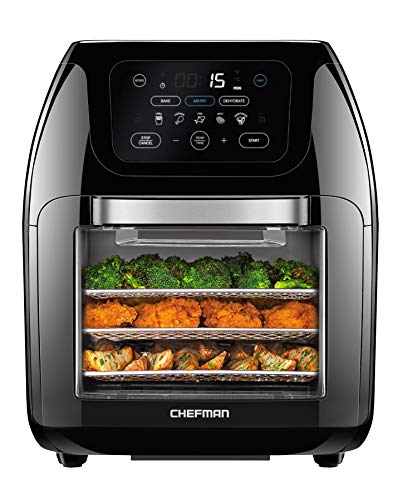
CHEFMAN Multifunctional Digital Air Fryer+ Rotisserie, Dehydrator, Convection Oven, 17 Touch Screen Presets Fry, Roast, Dehydrate, Bake, XL 10L Family Size, Auto Shutoff, Large Easy-View Window, Black
Versatile countertop cooking: Air fry, bake, dehydrate, rotisserie, or roast to crispy perfection in one convenient appliance
As an affiliate, we earn on qualifying purchases.
Frequently Asked Questions
How Can I Recycle Small Kitchen Appliances Properly?
You can recycle small kitchen appliances properly by checking if your local recycling programs accept them. Consider appliance donation if they’re still functional, helping reduce waste and support others. Look for specialized e-waste recycling centers or collection events in your area that handle small appliances. Always clean appliances before recycling or donating, and remove batteries or cords if required. This way, you guarantee responsible disposal and minimize environmental impact.
What Are Eco-Friendly Alternatives to Traditional Appliances?
Did you know that switching to eco-friendly appliances can reduce your carbon footprint by up to 30%? You can choose appliances made from eco-friendly materials like bamboo or recycled plastics, and opt for models that run on renewable energy sources. These alternatives not only lessen environmental impact but also promote sustainability. By making mindful choices, you contribute to a healthier planet while enjoying efficient, eco-conscious kitchen solutions.
Do Energy-Efficient Appliances Save More Than They Cost?
Yes, energy-efficient appliances save you more than they cost. You’ll notice energy savings through lower utility bills over time, making the initial investment worthwhile. A proper cost analysis shows that while these appliances may be pricier upfront, the long-term savings on electricity add up. Plus, you help reduce environmental impact. So, investing in energy-efficient appliances is a smart choice for your wallet and the planet.
How Does Manufacturing Impact the Environment?
Think of manufacturing as the engine that fuels environmental impact. It releases manufacturing emissions and involves raw material extraction, which can harm ecosystems and deplete resources. You might not see it, but every small kitchen appliance’s production leaves a trail on the planet. By choosing eco-friendly brands or products with sustainable manufacturing practices, you help reduce this impact, making your kitchen greener and more responsible.
Are Vintage Appliances More Sustainable Than New Ones?
Vintage appliances are often more sustainable than new ones because they offer retro charm and can last longer if well-maintained. You might appreciate their durability, reducing waste and the need for frequent replacements. However, be mindful of durability concerns; older models may lack modern safety features or energy efficiency. By choosing vintage, you help reduce manufacturing impacts, but verify appliances are in good working condition to maximize their eco-friendly benefits.

Emeril Lagasse Extra Large French Door Air Fryer Toaster Oven Combo, 24 Cooking Functions and Digital Controls, 7 Accessories Included, Stainless Steel Finish, 26QT Capacity
A VERSATILE AIR FRYER AND MULTI-COOKER COMBO: Elevates practically any meal, from air frying quick after-school snacks to...
As an affiliate, we earn on qualifying purchases.
Conclusion
By choosing energy-efficient appliances and mindful usage, you can substantially reduce your kitchen’s environmental footprint. Think of your appliances as tiny ships steering a vast ocean—every small decision you make can guide the course toward a greener future. When you prioritize sustainable choices, you’re not just saving energy; you’re charting a course that protects our planet’s delicate balance. Remember, even small vessels can make a big impact on the tides of environmental change.

Cosori 9-in-1 TurboBlaze Air Fryer 6 Qt, Premium Ceramic Coating, 90°–450°F, Precise Heating for Even Results, Air Fry, Roast, Bake, Broil, Dry, Frozen, Proof, Reheat, Keep Warm, 120V, Dark Gray
𝘼𝙞𝙧 𝙁𝙧𝙮𝙚𝙧 𝙐𝙥𝙜𝙧𝙖𝙙𝙚: Innovative TurboBlaze Technology delivers a powerful 3600 rpm fan speed and temperatures up to 450℉,...
As an affiliate, we earn on qualifying purchases.

bella 4Qt Slim Air Fryer, Fits-anywhere™ Kitchenware, EverGood™ Ceramic Nonstick Coating, Adjustable Temperature, 6 Preset Cooking Options, 60 Min Auto Shutoff w Audible Tone, 3.3lb Capacity, Oatmilk
Slim Design for Any Space: The bella 4qt Air Fryer features a sleek, space-saving design, perfect for fitting...
As an affiliate, we earn on qualifying purchases.