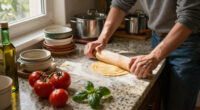
🔍 Read the full analysis: Gnocchi Di Patate: Light, Pillowy, And Absolutely Doable on Mad Tasting

Get kitchen gear delivered free with Prime
- Fast, free delivery on millions of items
- Prime Video, Amazon Music and more included
- Member-only deals all year
TL;DR
Mad Tasting has published a step-by-step guide to Gnocchi di Patate, the traditional Northern Italian potato dumplings. The guide pinpoints four decisions — potato choice, cooking method, flour quantity, and gentle handling — as the difference between dense and pillowy gnocchi, with the full process doable in about 90 minutes.
A new guide from Mad Tasting argues that Gnocchi di Patate — the traditional potato dumplings of Northern Italy — can be made successfully on a weeknight, and that the gap between dense, brick-like gnocchi and featherlight ones comes down to three or four small decisions rather than skill. The guide walks readers through potato selection, dough handling, shaping, the float test for doneness, and fixes for the two most common failures.
According to the guide, gnocchi di patate are small, thumb-sized dumplings of mashed potato and flour, with a texture the author describes as nearly weightless. The name likely derives from nocchio (a knot in wood) or nocca (knuckle), both describing the small, rounded shape. Despite feeling ancient, the potato version is relatively recent: potatoes reached Europe from the Americas in the 16th century, and potato gnocchi did not become common in Northern Italy until the 19th century. Earlier versions used bread, semolina, or chestnut flour, and some — such as Rome’s baked gnocchi alla romana and Tuscany’s ricotta-based gnudi — survive today.
The guide identifies two ingredients as decisive for texture. First, starchy potatoes: Russets in the US, or yellow-fleshed varieties similar to those Italian home cooks use. Waxy potatoes hold water, which forces more flour into the dough and produces heavier dumplings — what the author calls a chain reaction that starts in the produce aisle. Second, minimal flour: for roughly 2 pounds (1 kg) of potatoes, the guide gives a range of 1½ to 2 cups (200–250 g), and instructs cooks to stop adding flour the moment the dough stops sticking to their hands.
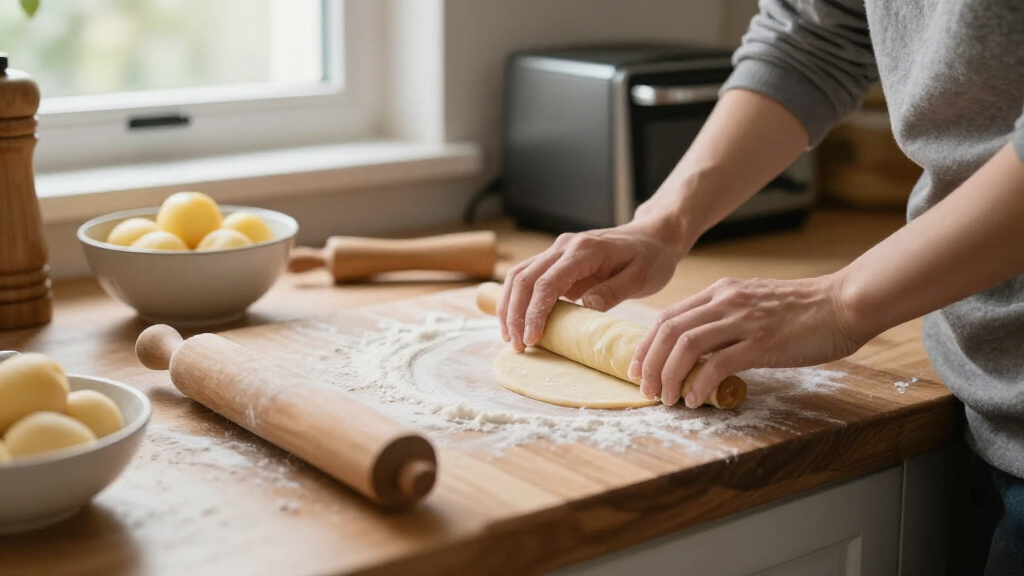
The recommended process takes about 90 minutes from raw potato to plated dinner, most of it potato-cooking time. The steps as published: bake whole Russets at 400°F (200°C) for 45–60 minutes — never boil, which waters down the flesh; rice or mill the potatoes while hot and spread them out to steam for 10 minutes; fold in flour, salt, and optionally one beaten egg with a bench scraper rather than kneading; rest the dough 10 minutes; roll ropes about ¾ inch (2 cm) thick; cut into pieces and press ridges with a fork. Cooked in salted water, the gnocchi are done the moment they float to the surface, usually within 2–3 minutes.
Why This Guide Matters to Home Cooks
Homemade gnocchi have a reputation for failure — the guide’s author recalls producing “dense little bricks” before understanding the technique. The article’s value is in reframing that failure as procedural rather than a matter of talent, and in isolating the specific choices that determine the outcome. For readers, that converts an intimidating dish into an accessible weeknight project using ingredients most kitchens already stock: potatoes, flour, salt, and optionally one egg.
The guide also addresses the egg question honestly, presenting both camps rather than a single dogma: an egg makes the dough more forgiving for beginners and appears in many Piedmontese home recipes, while Veneto purists skip it in pursuit of a lighter dumpling. The author’s advice — use the egg on a first batch, chase the eggless ideal later — gives newcomers a lower-stakes entry point. The guide also covers storage and food-safety basics and troubleshooting for dense gnocchi and gummy dough, the two most common reported failures.
Products Worth Considering

Breville Bambino Espresso Machine, Brushed Stainless Steel

Vitamix Touch & Go Advance 32-Ounce Bar Blender, White

Cuisinart 7-in-1 Air Fryer Toaster Oven Combo, 1800W, TOA-55
As an affiliate, we earn on qualifying purchases.
Regional Roots of Potato Gnocchi
According to the guide, the potato gnocchi tradition belongs to Northern Italy, with Veneto, Piedmont, and Lombardy all claiming the dish and each shaping and saucing it differently. Verona’s connection runs deepest: the city holds a carnival festival dating back centuries in which a golden-toned figure called Papà del Gnoco parades through the streets handing out dumplings. The classic Veronese serving is gnocchi col punial — with butter and Monte Veronese cheese, the pairing the author encountered on a first visit to the city.
The guide notes that what stays constant across Italian regions is the goal itself: a dumpling that tastes of potato rather than flour, and that, in the author’s words, dissolves rather than bounces.
“The difference between brick and cloud isn’t talent. It’s three or four small decisions — which potatoes you buy, how you cook them, how much flour you allow yourself, and how gently you work the dough.”
— Mad Tasting guide author
Where Cooks Will Still Need Judgment
The guide is explicit that its flour measurements are a range, not a target: humidity, potato size, and even the age of the flour shift the amount needed, so cooks must judge by feel. The baking time for potatoes (45–60 minutes) also varies with size, and the author describes the ideal dough consistency as soft and slightly tacky — a tactile standard that requires practice to recognize. The egg-versus-no-egg question remains a genuine divide in Italian tradition, with the guide presenting both approaches as legitimate rather than settling the debate.
Putting the Guide Into Practice
Readers following the guide can run a first batch this week: bake and rice the potatoes, use the egg for a more forgiving dough, and rely on the stickiness test rather than a fixed flour weight. From there, the guide suggests progressing to the eggless Veneto-style version once shaping feels comfortable, and exploring regional pairings such as the Veronese butter-and-Monte-Veronese serving or other sauces referenced in the guide’s pairing section. The source material provided cuts off mid-instruction at the cutting and ridging step, so readers will need the full published article for the remaining details on cooking, saucing, and storage.
Key Questions
How do I know when gnocchi are cooked?
According to the guide, cook them in salted water and remove them the moment they float to the surface, which typically takes 2–3 minutes.
Which potatoes should I use for gnocchi?
Starchy varieties: Russets in the US, or yellow-fleshed potatoes similar to those used by Italian home cooks. Yukon Golds also work. Avoid waxy red-skinned potatoes, which hold water and make heavy dumplings.
Should I boil or bake the potatoes?
Bake or steam them whole, skin on — never boil. Boiling loads the flesh with water, which forces extra flour into the dough and produces denser gnocchi.
Do I need to add egg to the dough?
It’s optional. One egg makes the dough easier to handle and is recommended for a first batch; Veneto tradition typically omits it for a lighter result. The guide says both approaches are valid.
How long does it take to make gnocchi from scratch?
About 90 minutes from raw potato to plated dinner, with most of that time spent baking the potatoes.
Source: Mad Tasting