
To adapt global recipes for the Instant Pot, focus on substitutions that keep authentic flavors while considering ingredient availability, like cashew cream instead of coconut milk or dried lemon zest for fresh lemongrass. Adjust seasoning quantities as pressure cooking intensifies flavors, and add delicate herbs or fresh vegetables after cooking to preserve their taste and texture. To master these adaptations and create delicious, authentic meals, keep exploring the tips and techniques available.
Key Takeaways
- Substitute hard-to-find ingredients with similar flavors or textures to maintain authenticity in pressure-cooked dishes.
- Adjust seasoning and spices after pressure cooking to prevent over-concentration and preserve delicate flavors.
- Incorporate fresh herbs or vegetables post-cooking to enhance flavor and texture without overcooking.
- Experiment with small batches to determine optimal cooking times and flavor balances for specific cuisines.
- Understand how pressure cooking affects ingredients to better adapt recipes, maintaining cultural integrity and taste.
The Instant Pot has revolutionized home cooking, making it easier to prepare dishes from around the world in a fraction of the time. When adapting global recipes for your Instant Pot, one of the first things you’ll notice is the need for cultural substitutions. Traditional recipes often rely on ingredients or cooking techniques unique to their region, but you can make smart substitutions without sacrificing authenticity. For example, if a recipe calls for a specific spice or herb that’s hard to find locally, look for a close relative or a similar flavor profile. Coconut milk in Thai curry can sometimes be replaced with cashew cream for a richer, nutty taste, or you might swap fresh lemongrass for dried lemon zest if fresh isn’t available. These substitutions not only keep the essence of the dish intact but also make it more accessible and adaptable.
Flavor adjustments are equally important when working with an Instant Pot. Since pressure cooking concentrates flavors and reduces cooking times, you may find that some dishes taste stronger or different than their traditional counterparts. To balance this, start by reducing salt, sugar, or spice quantities slightly, then adjust after tasting. For instance, if you’re making a beef stew from South Africa, you might want to cut back on the spices initially, then add more after pressure cooking if needed. This way, you prevent overpowering the dish and maintain its authentic taste. Also, remember that some ingredients, such as delicate herbs or fresh vegetables, should be added after pressure cooking to preserve their flavor and texture. Incorporate these at the end to keep the dish vibrant and true to its roots.
Adapting recipes for the Instant Pot also means understanding how the appliance impacts textures and flavors. For example, grains like rice or lentils cook much faster under pressure, so you’ll need to adjust cooking times accordingly. You might find that certain recipes benefit from pre- or post-cooking modifications, like sautéing aromatics before pressure cooking or finishing a dish with fresh herbs afterward. Experimenting with small batches can help you perfect these flavor adjustments and substitutions without risking larger quantities. Over time, you’ll develop a sense of how your Instant Pot handles different cuisines, allowing you to maintain authenticity while enjoying the convenience of modern pressure cooking. Ultimately, with thoughtful substitutions and flavor tweaks, you can successfully transform traditional recipes into delicious, Instant Pot-friendly meals that honor their origins. Additionally, understanding cultural ingredients can help you better adapt dishes to your available pantry staples while preserving their authentic flair.

Instant Pot Official Kitchen Tools, One Size, Red
As an affiliate, we earn on qualifying purchases.
As an affiliate, we earn on qualifying purchases.
Frequently Asked Questions
How Do I Adjust Spice Levels for Instant Pot Adaptation?
To adjust spice levels for your Instant Pot, start by reducing the amount of spicy ingredients, like chili or hot sauce, and taste the dish before serving. Use spice balancing techniques, like adding a touch of sweetness or acidity, to enhance flavor without overwhelming heat. You can also add ingredients gradually, tasting as you go, ensuring you achieve the perfect flavor enhancement while keeping the spice level just right.
Can I Substitute Ingredients in Traditional Recipes for Faster Cooking?
Absolutely, you can swap ingredients in traditional recipes to speed up cooking. Think of it as swapping out a slow-burning log for quick-start kindling—your dish still warms your soul, just faster. Use ingredient swaps and flavor adjustments thoughtfully—pick quicker-cooking alternatives that retain the essence of the original. This way, your meal becomes a whirlwind of flavor, saving time without sacrificing the heart of the recipe.
What Safety Precautions Should I Follow When Pressure Cooking International Dishes?
When pressure cooking international dishes, you should always follow safety precautions by using proper pressure release techniques, such as quick or natural release, to prevent accidents. Confirm your sealing ring is clean and well-maintained to avoid leaks. Never overfill the pot, and check the lid and valve for obstructions. By adhering to these safety tips, you can enjoy diverse recipes safely and confidently in your Instant Pot.
Are There Specific Settings for Different Types of Cuisines?
Yes, you should adjust your Instant Pot settings based on the cuisine to maintain cultural authenticity and flavor balancing. Use the manual or pressure cook mode for hearty dishes like stews or curries, and the saute setting for flavor-building steps like browning spices. For delicate dishes, opt for lower pressure. Customizing settings helps preserve authentic flavors while ensuring your dishes are perfectly cooked.
How Do I Modify Cooking Times for Larger or Smaller Servings?
They say “know your tools,” and that’s key for portion scaling and serving size adjustment. When cooking larger portions, increase the cooking time by about 5-10% per extra serving to guarantee thorough doneness. For smaller servings, cut the time slightly. Always test and adjust based on your specific recipe and ingredients, as different foods may need different tweaks for perfect results.

Instant Gourmet The Original Seasoning, 6 oz
All purpose seasoning
As an affiliate, we earn on qualifying purchases.
As an affiliate, we earn on qualifying purchases.
Conclusion
So there you have it—your passport to global cuisine, now turbocharged by the Instant Pot. Who knew that a little pressure and a dash of daring could transform your kitchen into a world tour in minutes? Next time you’re craving authentic flavors with zero fuss, remember: you’re just one button away from culinary adventure—no passport required. Happy pressure-cooking, globetrotter. Bon appétit, or should I say, buen provecho!

Fuator 13 Pcs Instant Pot Sealing Ring 6Qt Steam Release Valve Original Instant Pot Parts Replacement with 8 Silicone Caps, Steam Release Handle for IP Duo 3, 5, 6 Qt, Plus 6 Quart InstaPot parts
MORE ECONOMICAL PACKAGES: Sealing Ring 6 Qt for Instant Pot, Steam Release Valve Handle X 1, anti-block shield…
As an affiliate, we earn on qualifying purchases.
As an affiliate, we earn on qualifying purchases.
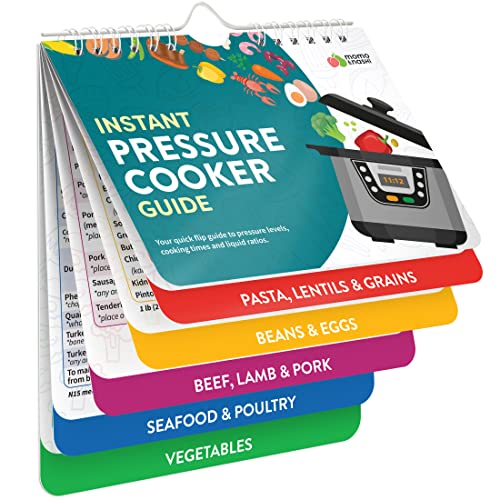
Instant Pot Magnetic Cheat Sheet Magnet – Instant Pot Accessories – Cookbooks Pressure Cooker Cooking Guide – 7”x 6” Instapot Booklet – Instantpot Cooking – Kitchen Gifts for Women – Kitchen Gadgets
Unlock Your Instant Pot’s Full Potential with Must Have Magnetic Instant Pot Cooking Guide. Featuring over 100 food…
As an affiliate, we earn on qualifying purchases.
As an affiliate, we earn on qualifying purchases.